AI Data Centers Are Reshaping Rural Land Prices and Stirring Debate
The AI data center boom is pushing rural land values higher, creating winners and losers among farmers and property owners.
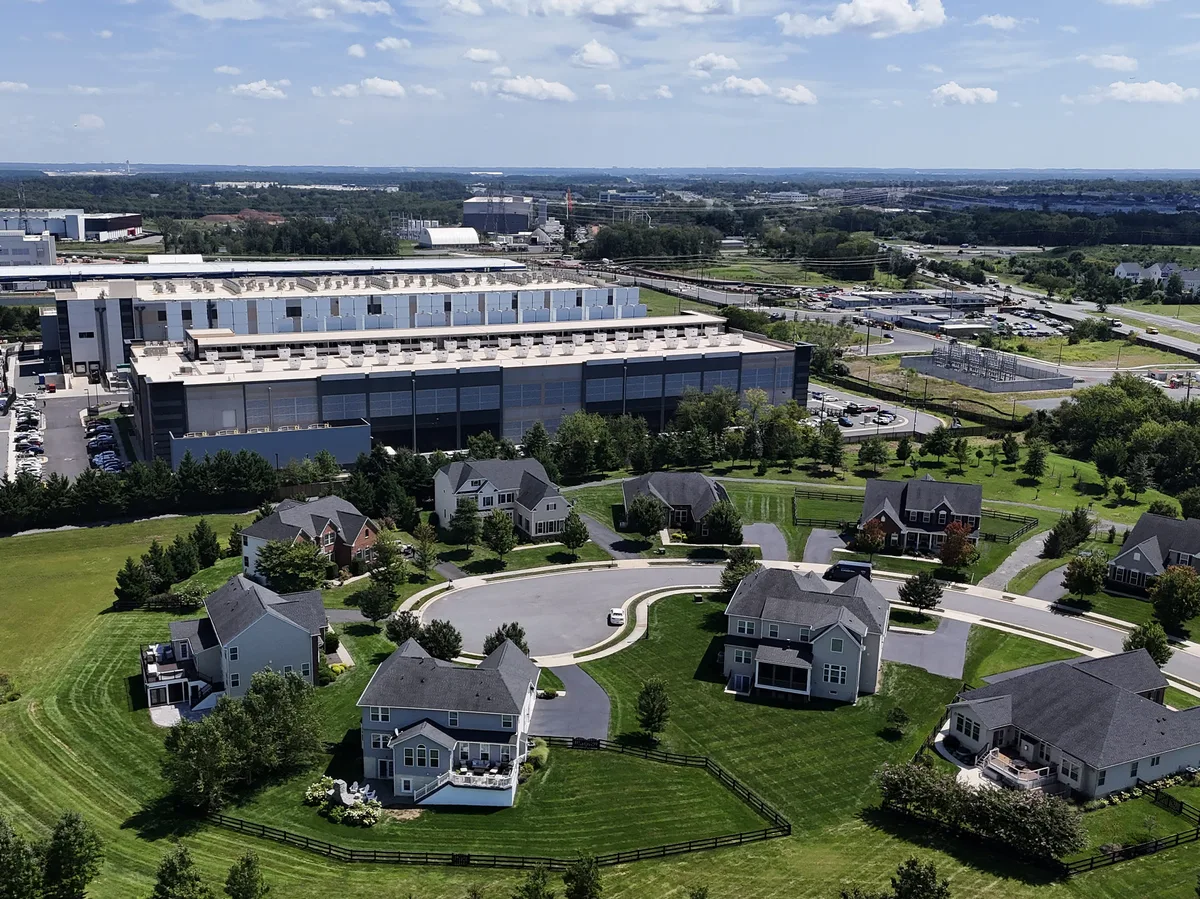
If you've ever wondered where all that AI computing power actually lives, the answer is increasingly: somewhere in rural America. Tech companies are snapping up large tracts of countryside to build the massive data centers that power everything from chatbots to cloud storage, and that demand is quietly shaking up local land markets in ways that would have seemed far-fetched just a few years ago.
For some farmers and rural landowners, the timing couldn't be better. When a tech giant comes knocking with a serious offer for acreage that's been sitting idle or generating modest crop income, it can feel like a lottery ticket. Land prices in areas targeted for data center development have climbed as competition heats up, giving sellers real negotiating leverage they rarely enjoy in traditional agricultural markets.
Read more Evotec's Science Looks Strong, But the Stock Won't Listen →
But not everyone is rolling out the welcome mat. A growing backlash has emerged among residents and property owners who worry about what these sprawling, energy-hungry facilities mean for their communities. Concerns range from the strain data centers can place on local power grids to the broader question of whether industrial-scale tech infrastructure belongs in areas that have historically been defined by open land and farming culture.
The tension here is a pretty classic land-use conflict with a modern twist — rural communities weighing short-term economic gains against long-term changes to their landscape and identity. Some property owners are buying in enthusiastically, while neighbors just down the road are organizing opposition. That kind of split is exactly what makes this story more complicated than a simple "tech money meets farmland" headline suggests.
As AI infrastructure spending continues to accelerate, expect this dynamic to play out in more rural counties across the country. The decisions being made right now about where to build — and whether local communities accept or resist that development — will shape both rural land markets and the physical backbone of the AI economy for decades to come. Continue reading at US Top News and Analysis.