Amazon's $25B Bond Sale and Microsoft's AI Shift Explained
Amazon made a massive $25B bond move while Microsoft keeps tweaking its AI strategy. Here's what both mean for investors.

Two of the biggest names in tech are making headline-grabbing financial moves, and if you're keeping an eye on your portfolio, it's worth slowing down to understand what's actually going on.
First up, Amazon dropped a jaw-dropping $25 billion bond sale — one of the largest corporate debt offerings you'll see in a given year. When a company this size issues bonds, it's essentially borrowing money from investors at a fixed interest rate. The big question is always: what's the cash for? Companies like Amazon typically use proceeds for capital expenditures, acquisitions, or to refinance existing debt. A move this large signals confidence in their ability to service that debt, but it also means more leverage on the balance sheet — something income-focused investors will want to watch.
Read more Apple Sales Expected to Hold Steady Despite Price Hikes →
Meanwhile, Microsoft continues to evolve its approach to artificial intelligence models, reflecting just how fast the AI landscape is shifting under everyone's feet. Rather than locking into a single AI strategy, Microsoft appears to be adapting its model mix — a smart hedge given how quickly new competitors and capabilities are emerging in the space. For everyday investors, this kind of flexibility can be a signal of mature, long-term thinking rather than chasing a single trend.
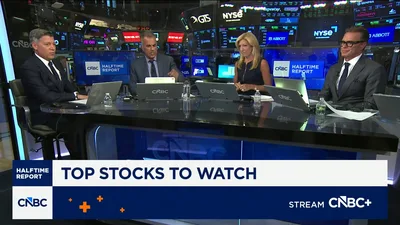
Both stories surfaced in CNBC's Investing Club "Homestretch" — a daily afternoon briefing designed to give members actionable intelligence right before the market's final trading hour. That timing matters: the last hour of trading is historically the most volatile and highest-volume window of the day, so having focused, curated intel heading into it can genuinely help you make better decisions.
Taken together, Amazon's debt strategy and Microsoft's AI pivots paint a picture of two tech giants actively positioning themselves for what comes next — not just riding current momentum. For retail investors, the takeaway is to watch how these moves ripple through earnings and guidance in coming quarters. Continue reading at US Top News and Analysis.