Analog Devices at $375: Is the AI Premium Justified?
ADI shares are climbing — but are investors paying too much for an industrial chipmaker riding the AI hype wave?
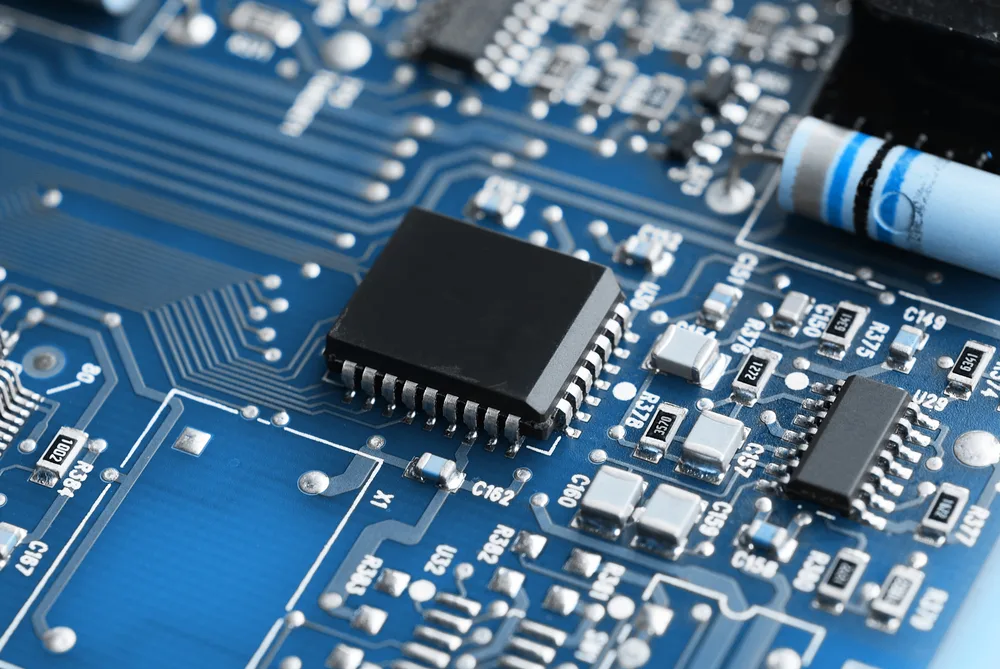
Analog Devices (ADI) has quietly become one of those stocks where you look at the price tag and do a double-take. At $375 a share, the question on every investor's mind is pretty simple: are you buying a genuinely great semiconductor business, or are you mostly paying for AI-era optimism slapped onto a traditional industrial tech company?
ADI isn't your flashy AI-pure-play — it makes analog and mixed-signal chips that show up in everything from factory floors to medical devices to cars. That's a boring-sounding business, but it's also deeply essential. Analog chips convert real-world signals — heat, pressure, sound — into data that digital systems can actually use. Without them, your shiny AI-powered factory robot doesn't work. That gives ADI a legitimate seat at the AI infrastructure table, even if it's not building GPUs.
Read more SpaceX, AMD, and Palantir: What Ties These Giants Together? →
The concern, of course, is valuation. When a stock trades at a significant premium to historical norms, you have to ask whether the growth story is already baked into the price. Industrial end markets have been soft in recent cycles, and while AI-driven automation is a real long-term tailwind, the timing of when that revenue actually shows up in earnings can be frustratingly unpredictable for shareholders.
What makes ADI interesting — and complicated — is that it sits at the intersection of two very different investor narratives. One crowd sees it as a slow-and-steady industrial compounder with rock-solid margins. Another crowd is pricing in a faster re-rating as AI capex eventually flows downstream into the kinds of sensing and signal-processing hardware ADI specializes in. Both can't fully be right at the same time, at least not at today's price.
For everyday investors, the honest takeaway is this: ADI is a high-quality company, but quality and price are two different conversations. Before jumping in at current levels, it's worth stress-testing your assumptions about when — not if — the AI-driven industrial upcycle actually arrives. Continue reading at Yahoo Finance.