Aortic Dissection: What Is It and Who Is at Risk?
Lindsey Graham's death spotlights aortic dissection, a rare but deadly heart condition. Here's what raises your risk and what to watch for.
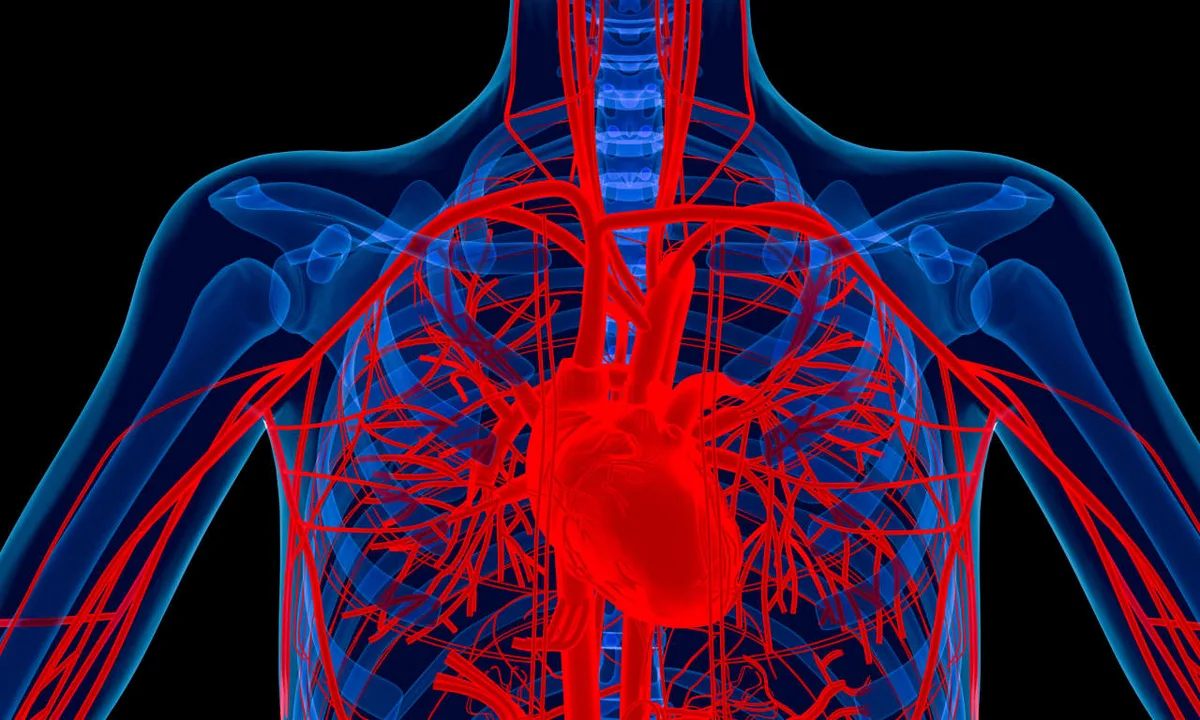
If you haven't heard of an aortic dissection before, you're not alone — and that's partly because it's genuinely rare. But the death of Lindsey Graham has put this serious cardiovascular condition in the spotlight, and it's worth understanding what it actually is and whether you might be more vulnerable than the average person.
In plain terms, an aortic dissection happens when a tear forms in the inner layer of the aorta — the large artery that carries blood away from your heart. Blood can then surge through that tear, splitting the layers of the aortic wall apart. It's as dangerous as it sounds, and it can be life-threatening within hours if not treated immediately.
Read more How to Pick a Health Insurance Plan During Open Enrollment →
For most people, the lifetime risk is quite low. But certain groups face meaningfully higher odds. People with a family history of aortic dissection are on the elevated-risk list, as are those who've been diagnosed with specific genetic syndromes that affect connective tissue — the kind of tissue that helps keep blood vessel walls strong and resilient. If either of those applies to you, it's worth having a candid conversation with your doctor about screening or monitoring options.
Because the condition is so uncommon, it doesn't get the same public awareness airtime as, say, heart attacks or strokes — even though the consequences can be just as severe. Medical experts generally recommend that anyone with known risk factors stay proactive about cardiovascular checkups rather than waiting for symptoms, which can sometimes mimic other, less urgent conditions and cause dangerous delays in diagnosis.
Continue reading at MarketWatch.com