Apple Stock Rebounds After Price Hikes and Memory Crunch Scare
AAPL fell 6% on price hike news but clawed back nearly all of it. Here's why the market changed its mind fast.

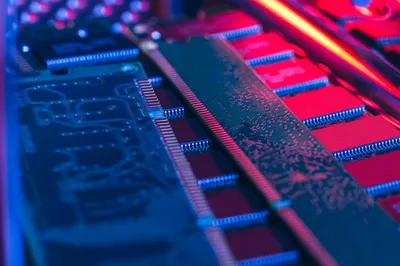
Apple spooked investors on June 25 when it bumped Mac and iPad prices by anywhere from $100 to $300, and the stock slid 6% almost immediately. CEO Tim Cook blamed a global memory shortage so severe he called it a "hundred-year flood" — which sounds dramatic, but the DRAM supply crunch is very real and hitting the entire tech industry hard. When a chip that's supposed to be everywhere suddenly isn't, someone has to eat the cost, and Apple decided that someone would be you, the customer.
Here's the thing though: Wall Street didn't stay spooked for long. Less than two weeks after that drop, Apple shares had clawed back most of the loss and were trading near 52-week highs. That's a pretty remarkable turnaround, and it tells you the market did some homework and liked what it found.
Read more DRAM Prices Could Plunge Up to 90% Within Three Years →
Two big ideas seem to be driving the recovery. First, investors are reassessing how Apple stacks up against its rivals inside this memory shortage. If Apple can pass costs onto consumers more smoothly than competitors — thanks to its famously loyal customer base and premium brand — then the crunch actually widens the gap between Apple and the rest of the pack rather than hurting it equally. Pricing power is a moat, and Apple's moat looks deep right now.
Second, Apple's relatively cautious approach to AI spending is starting to look less like a missed opportunity and more like fiscal discipline. While other tech giants have been shoveling money into AI infrastructure at a breathtaking pace, Apple's restraint means it isn't carrying the same heavy capital-expenditure burden. In a market that's grown nervous about AI spending returning value, Apple's patience is getting reframed as wisdom rather than hesitation.
Put it all together and you get a stock that briefly panicked investors and then reminded them why they owned it in the first place. Continue reading at Yahoo.