Australia's Business Mood Lifted in June, but the Rally Won't Last
NAB's survey showed confidence rebounding and retail prices falling, but fresh Middle East tensions are already erasing those gains.
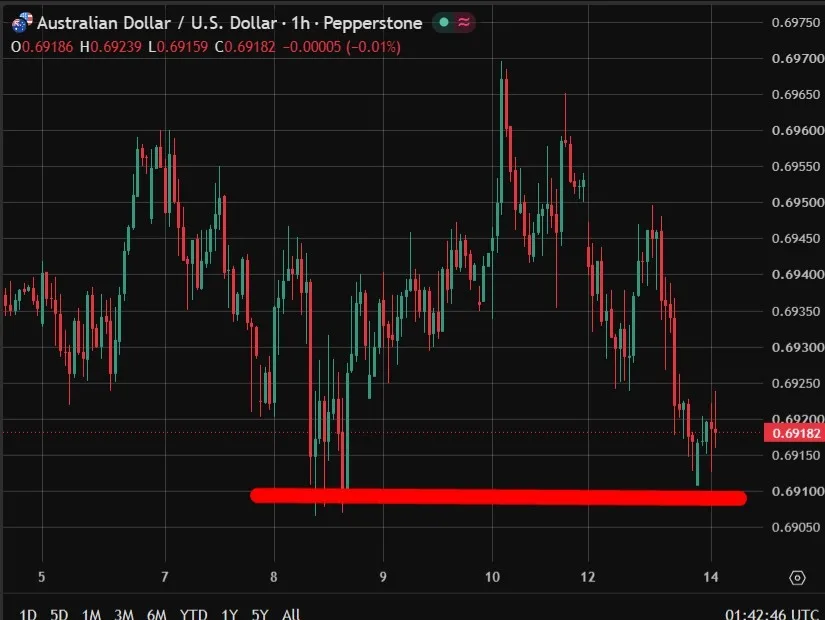
Australia's businesses were feeling a little more optimistic in June — just don't get too attached to that feeling. National Australia Bank's monthly business survey showed confidence climbing to -5 from a deeply gloomy -14 in May, while business conditions held steady at +3 for the third month in a row. On paper, that looks like progress. In practice, the data snapshot aged about as well as leftover sushi.
Here's the thing: that confidence boost was largely driven by a brief U.S.-Iran ceasefire that temporarily cooled oil markets. With fuel costs easing during that window, the survey also captured something genuinely rare — retail prices actually fell, the first such decline in seven years. Product price growth also pulled back to levels last seen in February. If you're watching Australia's inflation story, that's legitimately encouraging news.
Read more June CPI Report Takes Center Stage as Oil Prices Surge →
But by the time the survey landed on Tuesday, the good vibes were already expiring. The U.S. resumed strikes on Iran and reinstated its shipping blockade through the Strait of Hormuz, sending Brent crude jumping roughly 2% to around $85 a barrel — its highest point since mid-June. Essentially, the calmer conditions that produced those softer readings vanished almost as fast as they appeared.
For the Reserve Bank of Australia, this complicates an already tricky picture. The RBA has already hiked rates three times this year, bringing its cash rate to 4.35%, before pausing in June. Officials have been careful to warn that further tightening isn't off the table. With energy costs spiking again, any optimism about easing price pressures looks premature at best. NAB's own read is that the broader trend still points to slowing activity growth through the first half of 2026, even if the Middle East hit turned out less catastrophic than feared — so far.
Continue reading at Forexlive.