Bessent Clashes With Warren Over Yen Intervention Details
Treasury Secretary Bessent fired back at Sen. Warren after she pressed for details on a yen currency intervention, offering a blunt economics lesson.
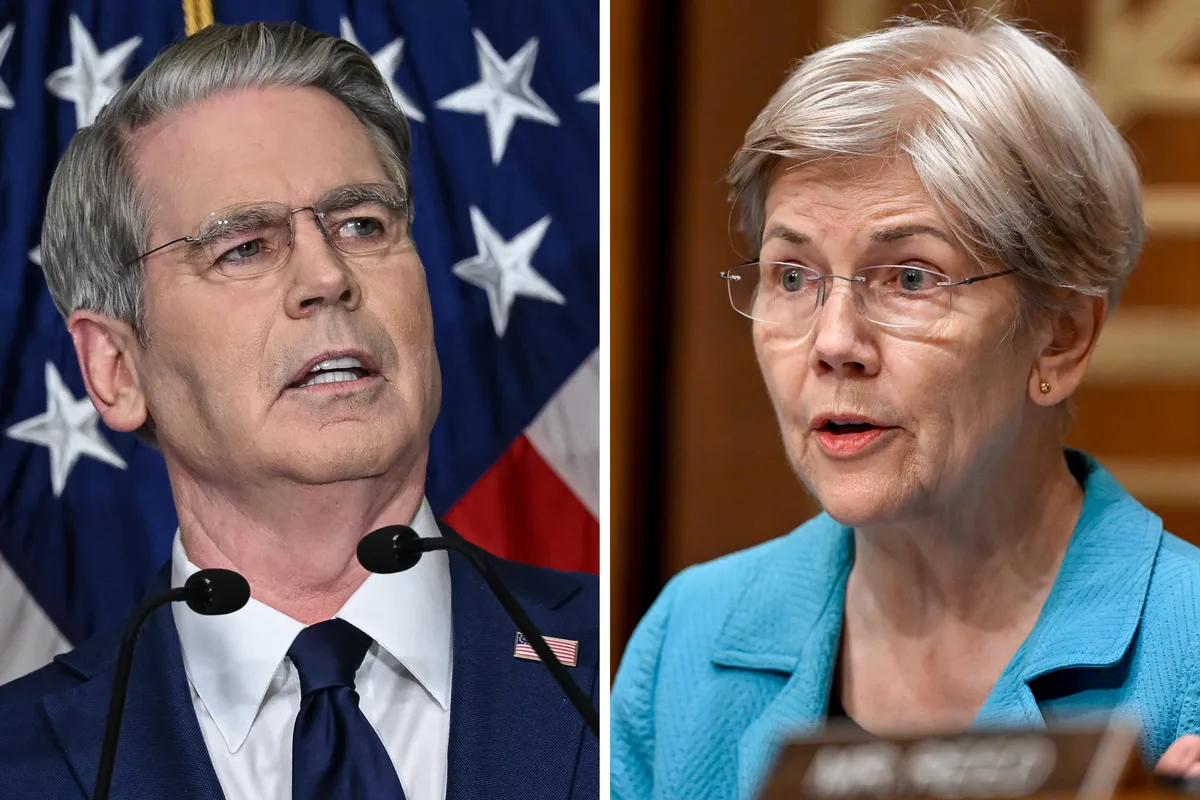
If you ever wanted to watch a cabinet secretary basically tell a senator to pick up a beginner finance book, this week delivered. Treasury Secretary Scott Bessent went on the offensive against Senator Elizabeth Warren after she pushed for transparency on a U.S. yen intervention — and Bessent's response was, let's say, not gentle. He reportedly offered what amounted to a "Foreign Exchange for Dummies" tutorial, which is a bold move when the person asking questions sits on a powerful Senate committee.
At the heart of the spat is a pretty reasonable question: when the U.S. government steps into currency markets and buys yen, the public probably deserves to know the basics — how much was purchased, at what rate, and what that position is worth today. Warren asked exactly that. The Treasury, however, has not disclosed any of those figures, leaving the senator — and frankly, the rest of us — in the dark on what could be a significant use of government funds.
Read more Trump Federal Transfer Bid Rejected in NY Hush Money Case →
Currency intervention is one of those wonky-sounding moves that actually matters for everyday Americans. When the Treasury buys or sells foreign currency, it can influence exchange rates, which ripple into import prices, travel costs, and trade competitiveness. So whether Bessent likes the question or not, the mechanics and the price tag are legitimate public concerns, not just political theater.
What makes this standoff interesting is that it highlights an ongoing tension between executive branch discretion over financial operations and congressional oversight. Bessent's dismissive tone suggests the Treasury views the intervention details as sensitive market information — the kind you don't broadcast without moving markets. Warren's camp, on the other hand, sees stonewalling where the administration sees prudence. Neither side appears ready to blink.
For now, the numbers — the execution rate, the size of the position, its current value — remain undisclosed. Whether Warren can compel greater transparency through formal congressional pressure remains to be seen. Continue reading at US Top News and Analysis.