Bessent Targets Treasury Yields With Debt Buybacks Amid Fed Tension
Treasury Secretary Bessent's push to buy back long-term debt eased a bond selloff, but economists flag inflation risks and Fed independence concerns.
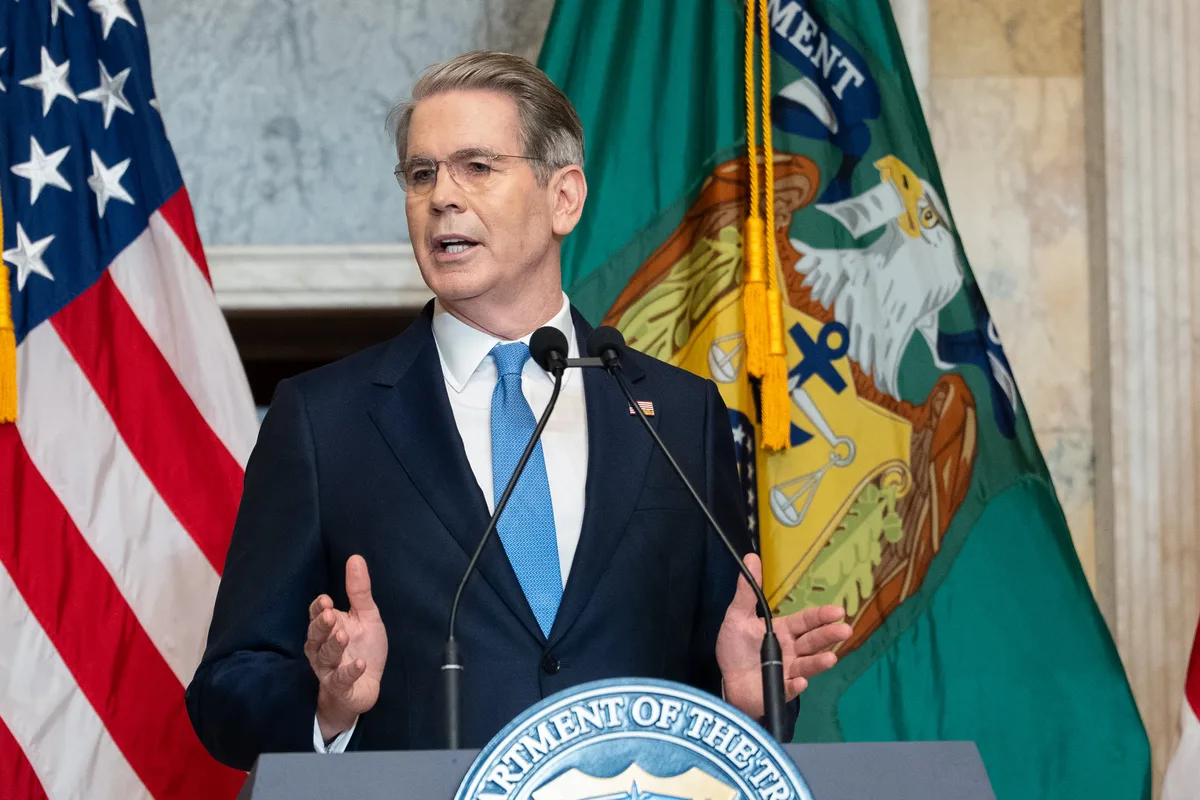
If you've been watching the bond market lately, you know it's been a rough ride. Treasury Secretary Scott Bessent is now stepping in with a tool that doesn't get a lot of headlines — buying back long-term government debt — and it actually managed to cool off a nasty bond selloff. In plain English: when the government buys back its own older bonds, it reduces the supply of long-term debt floating around, which tends to push yields down. Lower yields mean cheaper borrowing costs, which is kind of the whole point here.
But here's where it gets complicated. Economists are raising eyebrows because this kind of maneuver can look a lot like the Fed's own playbook — specifically, quantitative easing, where the central bank buys bonds to stimulate the economy. When the Treasury starts playing in that same sandbox, it blurs the line between fiscal policy (what the government does with spending and debt) and monetary policy (what the Fed controls). That's a boundary most economists really don't want to see smudged, especially when inflation is still a live concern.
Read more Bessent Says US Budget Deficit May Have Already Peaked Under Trump →
The timing puts fresh pressure on Kevin Warsh, who is widely seen as a leading candidate to eventually lead the Federal Reserve. Any perception that Treasury is trying to do the Fed's job — or worse, steer it — raises serious questions about central bank independence. That independence is essentially the Fed's superpower: it lets the central bank make tough, unpopular calls on interest rates without political interference. Undermine that credibility, and you risk spooking bond markets even more than a simple selloff would.
For everyday Americans, this tension matters more than it might seem. If markets start to doubt the Fed's independence, inflation expectations can drift higher, which tends to push mortgage rates, car loan rates, and credit card APRs up alongside them. Bessent's buyback move may have bought some short-term calm in the bond market, but the longer-term debate about who really controls the levers of U.S. borrowing costs is very much still open. Continue reading at US Top News and Analysis.