Bitcoin Bounces Back as Falling Oil Prices Lift Risk Assets
Bitcoin climbed off Asian-session lows as cheaper oil boosted investor appetite for riskier assets like crypto.
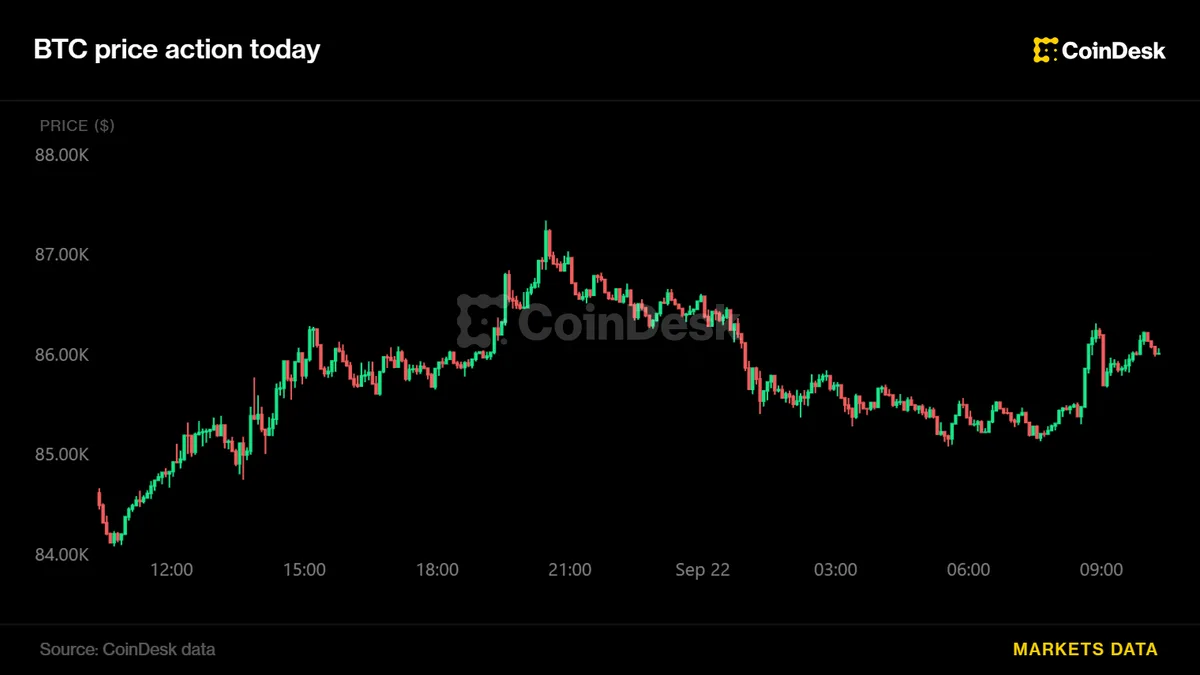
If you've been watching Bitcoin lately, you know it can swing wildly depending on what's happening in markets that have nothing to do with crypto — and today's recovery is a perfect example. Bitcoin pulled back during the Asian trading session but found its footing as oil prices declined, a dynamic that tends to put investors in a friendlier mood toward riskier bets.
So why does falling oil matter for Bitcoin? Think of it this way: when energy prices drop, inflation fears cool off a bit, which can take pressure off interest rates. Lower rate pressure generally means investors feel more comfortable moving money into higher-risk, higher-reward assets — and crypto sits near the top of that risk ladder.
Read more UK Bank Stocks Slide as 30-Year Gilt Yields Hit 1998 High →
The Asian session is historically one of the quieter windows for crypto trading, which means thinner order books and sharper price moves in either direction. A dip during those hours doesn't always signal a trend reversal — sometimes it's just the market finding its breath before Western traders log on and add more volume to the mix.
What today's bounce illustrates is how tightly Bitcoin has become woven into the broader macro fabric. It no longer trades in its own universe. Oil, rate expectations, and global risk sentiment all tug at its price in real time, which is something any crypto investor probably needs to keep on their radar.
Continue reading at CoinDesk.