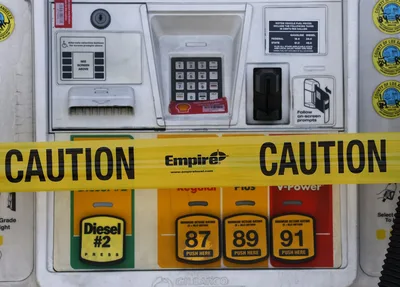
Bitcoin Faces Inflation Pressure as Oil Prices Spike on MidEast Tensions
Rising oil prices tied to renewed Middle East conflict are stoking inflation fears, creating a tricky environment for Bitcoin investors.
If you've been watching Bitcoin lately, you already know it doesn't live in a vacuum. Macro forces — think oil prices, inflation expectations, and Federal Reserve policy — have a habit of crashing the crypto party uninvited. And right now, renewed conflict in the Middle East is sending oil prices higher, which means the inflation story that Wall Street thought it had mostly figured out is getting complicated all over again.
Here's the basic chain reaction: when oil prices climb, energy costs ripple through virtually every corner of the economy — from shipping and manufacturing to your grocery bill. That keeps inflation stickier than the Fed would like, which in turn raises the odds that interest rates stay elevated for longer. Higher rates are generally bad news for risk assets, and Bitcoin, love it or hate it, still trades like a risk asset in the eyes of most institutional money managers.
Read more Strait of Hormuz Tensions Push Energy Markets Into Chaos →
Bitcoin has long been marketed as a hedge against inflation — digital gold, as the pitch goes. But the reality is more nuanced. When inflation is driven by geopolitical shocks rather than pure money-printing, crypto tends to struggle. Investors get nervous, they rotate toward traditional safe havens like actual gold or Treasury bonds, and Bitcoin ends up caught in the crossfire rather than benefiting from the chaos.
The broader concern here is that this inflation quagmire isn't resolving itself cleanly. Each new geopolitical flare-up adds another layer of uncertainty on top of what was already a complicated economic picture heading into the back half of the year. For crypto traders, that means volatility isn't going anywhere — and the narrative around Bitcoin as an inflation hedge will keep getting stress-tested in real time.
Whether you're a long-term Bitcoin holder or just watching from the sidelines, the interplay between oil markets, inflation data, and Fed decisions is worth keeping on your radar. The macro backdrop shapes crypto sentiment more than many enthusiasts like to admit. Continue reading at CoinDesk.