Bitcoin Gets a Quantum Recovery Tool, Satoshi's Coins Still Off-Limits
A new tool aims to protect Bitcoin from quantum computing threats, but Satoshi Nakamoto's estimated 1.1 million coins remain out of reach.
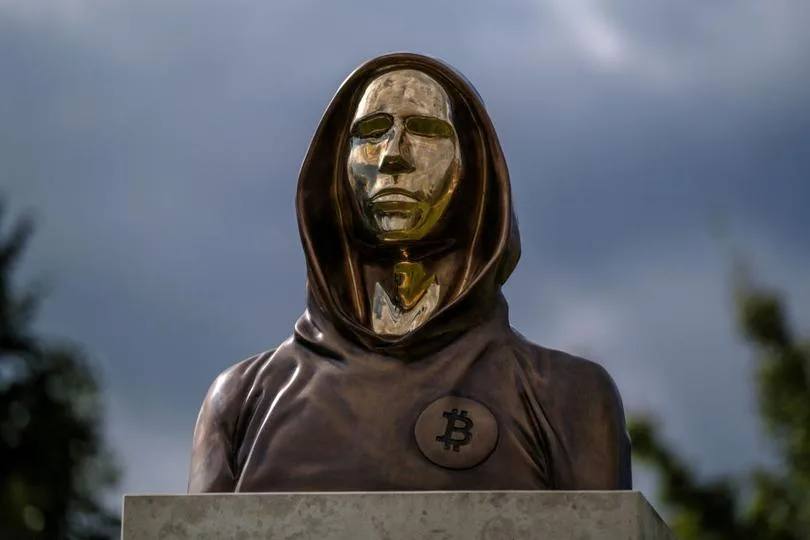
Quantum computing has long loomed over Bitcoin like a storm cloud on the horizon, and now someone's actually handed out umbrellas — sort of. A new recovery tool has emerged to help address Bitcoin's quantum vulnerability, giving holders a way to potentially safeguard their coins against the theoretical threat posed by powerful future computers that could crack today's encryption. It's a meaningful step forward for the crypto community, even if it isn't a silver bullet.
The catch? The tool doesn't cover everyone. Specifically, the roughly 1.1 million Bitcoin widely attributed to Satoshi Nakamoto — the anonymous creator of Bitcoin — are excluded from this quantum protection fix. Those coins sit in early-era wallets that use an older cryptographic format, making them a unique and complicated case that the current solution simply doesn't address. For context, at today's prices, that stash is worth tens of billions of dollars.
Read more Apple Hits All-Time High: Is the Stock Still Worth Buying? →
Why does this matter for regular Bitcoin holders? Quantum computers, if they ever reach sufficient power, could theoretically reverse-engineer private keys from public keys — essentially picking the lock on a crypto wallet. Most modern wallets already use formats that are harder to exploit this way, but older wallets, including those linked to Satoshi, use a more exposed structure called Pay-to-Public-Key (P2PK) that puts the public key directly on-chain.
The broader implication here is that the Bitcoin developer community is taking the quantum threat seriously enough to build active countermeasures, even if the timeline for a real quantum attack remains speculative. Protecting the network proactively is smart policy, and tools like this one signal growing maturity in how the industry handles long-term existential risks — even when they can't solve every edge case, like the Satoshi wallets that may never be moved at all.
Continue reading at CoinDesk