Blue-Collar Voter Discontent Could Shape the Midterms
Working-class frustration is heading to the ballot box. Here's why labor voters may be a decisive midterm force.
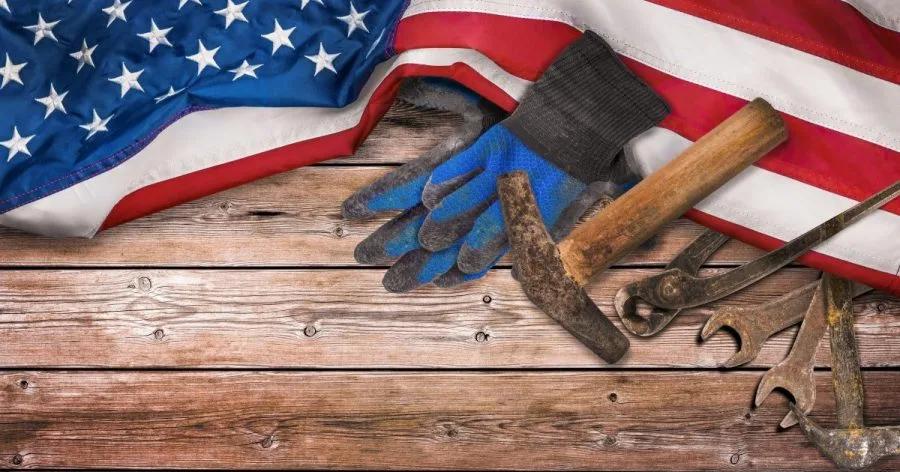
If you've been paying attention to the national mood lately, you already know that a lot of working-class Americans are not exactly thrilled with the status quo. That discontent — built up over years of wage stagnation, rising costs, and a sense that the political system isn't working for everyday people — is expected to travel with blue-collar voters straight into the voting booth come midterm election season.
Labor voters have long been a complicated constituency. They don't move in lockstep with any single party, and that's exactly what makes them so important in competitive races. When a significant chunk of union members, manufacturing workers, and tradespeople feel let down, their frustration can shift the balance of power in tightly contested districts and states.
Read more AfD's Landslide Win Shakes Germany's Political Landscape →
The broader context here matters too. Midterm elections historically serve as a referendum on whoever holds power, and economic anxiety tends to amplify that effect. When workers feel squeezed — whether by inflation, job insecurity, or stalled wage growth — they tend to send a message at the polls, sometimes in ways that surprise political strategists on both sides of the aisle.
What's particularly worth watching is whether organized labor can channel this frustration into a coordinated voting bloc, or whether disillusionment leads to lower turnout and scattered results. Either outcome carries real consequences for the policy priorities that get attention in Washington after the votes are counted.
The bottom line: blue-collar discontent is real, it's widespread, and it's unlikely to stay home on Election Day. Continue reading at nwahomepage.