Buy Now, Pay Later Is Paying for Groceries — and Getting Risky
More Americans are using BNPL for everyday essentials, but late payments are climbing and the financial risks are growing.

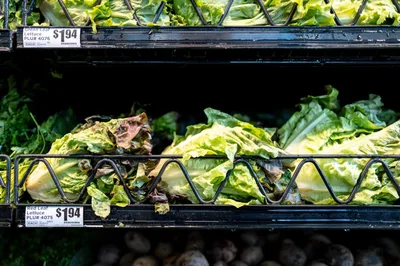
Buy now, pay later used to be the move for scoring a new pair of sneakers or a flat-screen TV without draining your bank account all at once. But something has shifted — people are now splitting the cost of groceries, rent, and utility bills into installments. Yes, we're talking about financing *eggs and electricity*.
On the surface, using BNPL for essentials might seem like a smart cash-flow hack. If your paycheck hits on the 15th but your electric bill is due on the 5th, spreading that payment out feels logical. The problem is that essentials aren't one-time splurges — they come back every single month, and that means the installment debt can stack up faster than you'd expect.
Read more Buy Now, Pay Later Is Moving Beyond Shopping to Basic Bills →
Here's where it gets genuinely worrying: more BNPL users are missing payments. Late fees and potential hits to your credit profile can turn a convenience tool into a debt spiral pretty quickly. Unlike a credit card, BNPL loans are often scattered across multiple apps and lenders, making it harder to track exactly how much you owe and to whom.
Financial experts have long cautioned that BNPL works best as a tool for planned, discretionary purchases — not as a recurring bridge for household necessities. When you're consistently relying on installment plans just to keep the lights on, that's a signal that monthly expenses may be outpacing income, and borrowing in small chunks won't fix the underlying gap.
If you're leaning on BNPL to cover the basics, it's worth pausing to look at the full picture of what you owe across all those platforms before the missed-payment notices start rolling in. Continue reading at US Top News and Analysis.