Copper Price Gap Between Exchanges Tracks Tariff Risk in Real Time
A widening spread in copper prices across two metals exchanges has become an unlikely live signal for investors watching Trump's tariff moves.
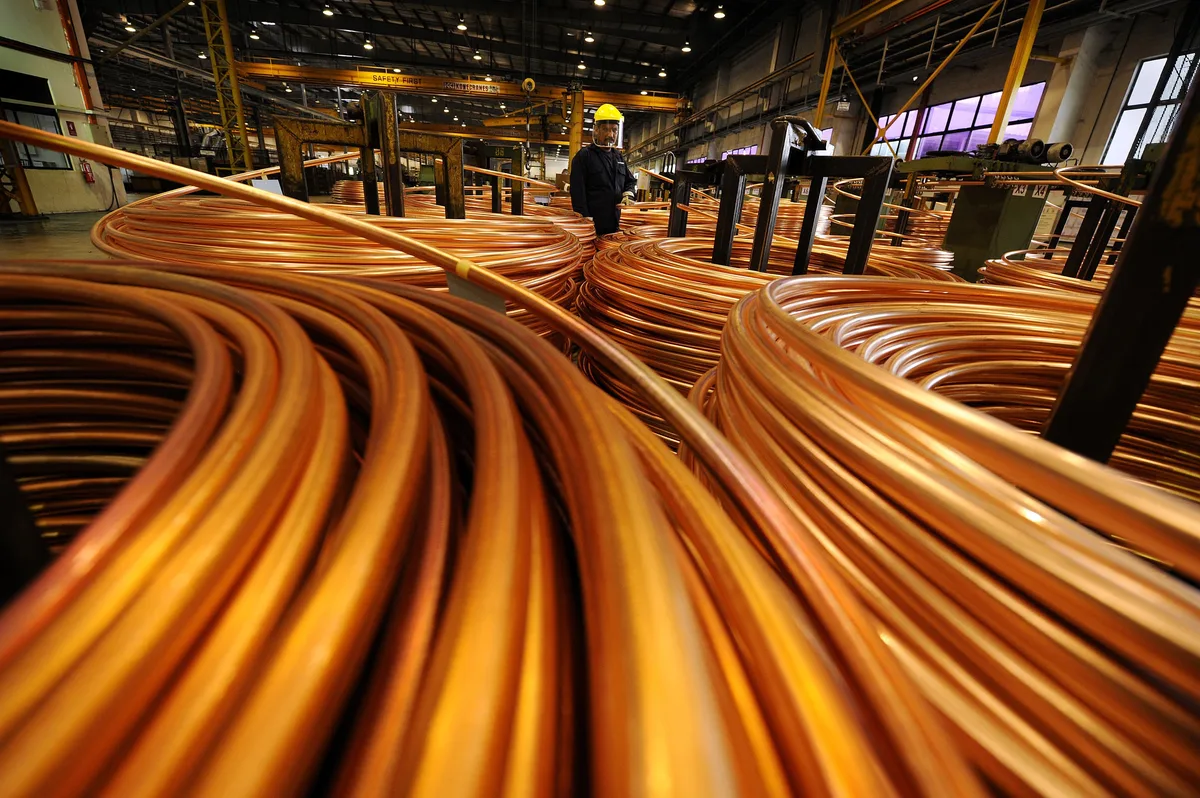
If you want to know what traders think Trump's next tariff move might be, you might not need to scroll Twitter or parse White House briefings — you could just watch copper prices. Specifically, the gap between copper's price on two different metals exchanges has quietly turned into a real-time barometer of U.S. tariff anxiety.
Here's the basic idea: when traders expect the U.S. to slap tariffs on imported metals, they start scrambling to get copper *into* the country before any new duties kick in. That rush to buy domestically — or to ship copper to U.S. markets ahead of a deadline — pushes American copper prices higher relative to prices on overseas exchanges. The wider that spread gets, the louder the market is essentially shouting that tariff risk is real and imminent.
Read more S-Bank Updates Tender Offer Documents for Oma Savings Bank Bid →
What makes this copper trade so interesting is how niche it is. This isn't your typical headline stock or bond market move that every pundit is dissecting. It's a corner of the commodities world that most casual investors never think about — yet it's apparently doing a remarkably good job of reflecting what sophisticated money thinks Washington is about to do next. In a way, that obscurity might be exactly what makes it useful: it's harder to game, and the people trading it tend to have serious skin in the game.
For everyday investors, the lesson here isn't necessarily to start trading copper futures. It's more that financial markets are constantly finding creative, unexpected ways to price in political risk — and sometimes the clearest signals come from the quietest corners. Keeping an eye on unconventional indicators like this copper spread can give you a richer sense of how nervous (or relaxed) professional traders actually are about the next policy curveball out of Washington.
Continue reading at US Top News and Analysis