Dumbbell Atomic Pairs Crack a Decades-Old Ethanol Chemistry Puzzle
Scientists developed a 'dumbbell' atomic pair structure to solve a longstanding ethanol chemistry challenge with real-world manufacturing implications.
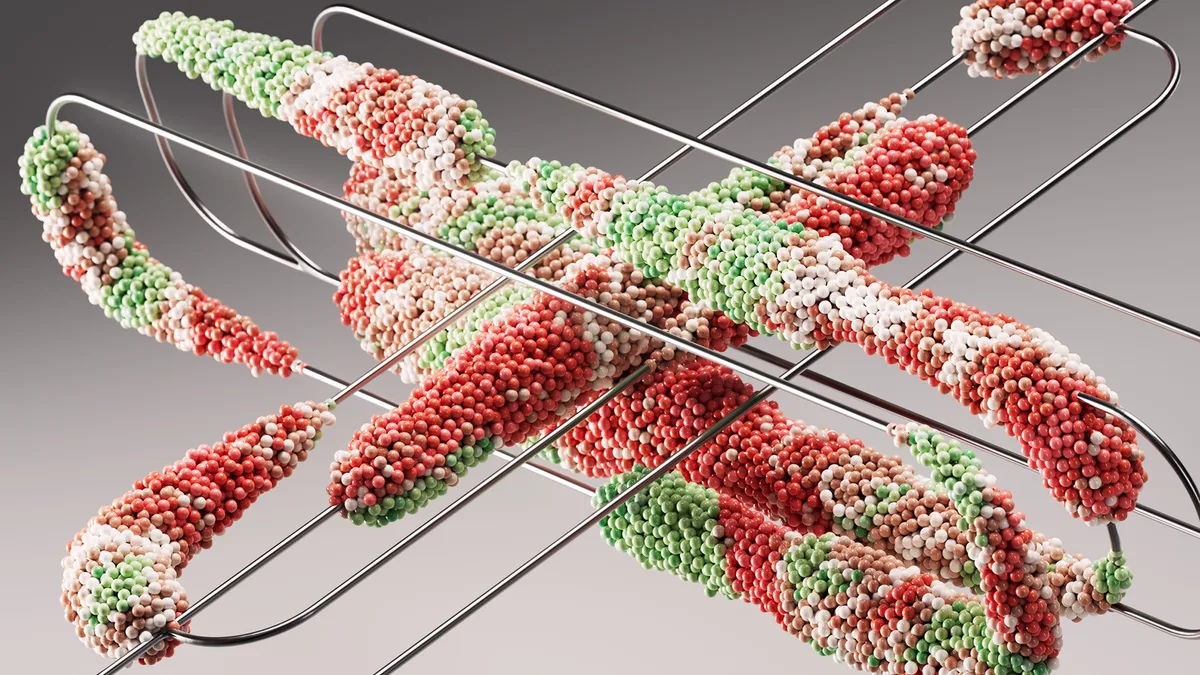
Chemists have apparently been wrestling with the same ethanol-related puzzle for decades, and a newly engineered atomic structure — described as looking like a dumbbell — may have finally cracked it. The breakthrough, reported by Interesting Engineering, involves pairing atoms in a specific configuration that changes how ethanol reacts at the molecular level, potentially reshaping how everyday consumer products are made.
Ethanol isn't just what's in your weekend drink — it's a workhorse chemical used across industries, from cosmetics and pharmaceuticals to plastics and fuel. Getting it to behave predictably in complex chemical reactions, though, has historically been a headache for researchers. That's what makes this atomic-level fix particularly noteworthy: rather than brute-forcing the chemistry with expensive catalysts or extreme conditions, the dumbbell pairing approach works smarter at the structural level.
Read more Boeing Engineers Vote Yes on New Contract, Dodging a Strike →
The 'dumbbell' nickname refers to how two atoms are paired and oriented relative to each other, which apparently gives them unique reactive properties that prior configurations couldn't achieve. Think of it like finally finding the right key shape for a lock that chemists have been trying to pick for years. This kind of atomic-scale engineering is increasingly where cutting-edge materials and chemistry research is heading — precise, intentional, and surprisingly elegant.
While the full technical details are behind a paywall at Interesting Engineering, the broader significance is hard to miss. Solving longstanding chemistry problems at the atomic level tends to have downstream effects on manufacturing costs, product purity, and even environmental impact — all things that eventually trickle down to what you pay on store shelves. Whether this discovery moves quickly from the lab to industrial application remains to be seen, but it's the kind of foundational research that quietly powers future innovation.
Continue reading at Interesting Engineering for the full technical breakdown and researcher commentary.