Fed July Rate Hike Odds Climb as Oil Prices Surge
Rising oil prices tied to Strait of Hormuz tensions are pushing up the probability that the Fed hikes rates in July.
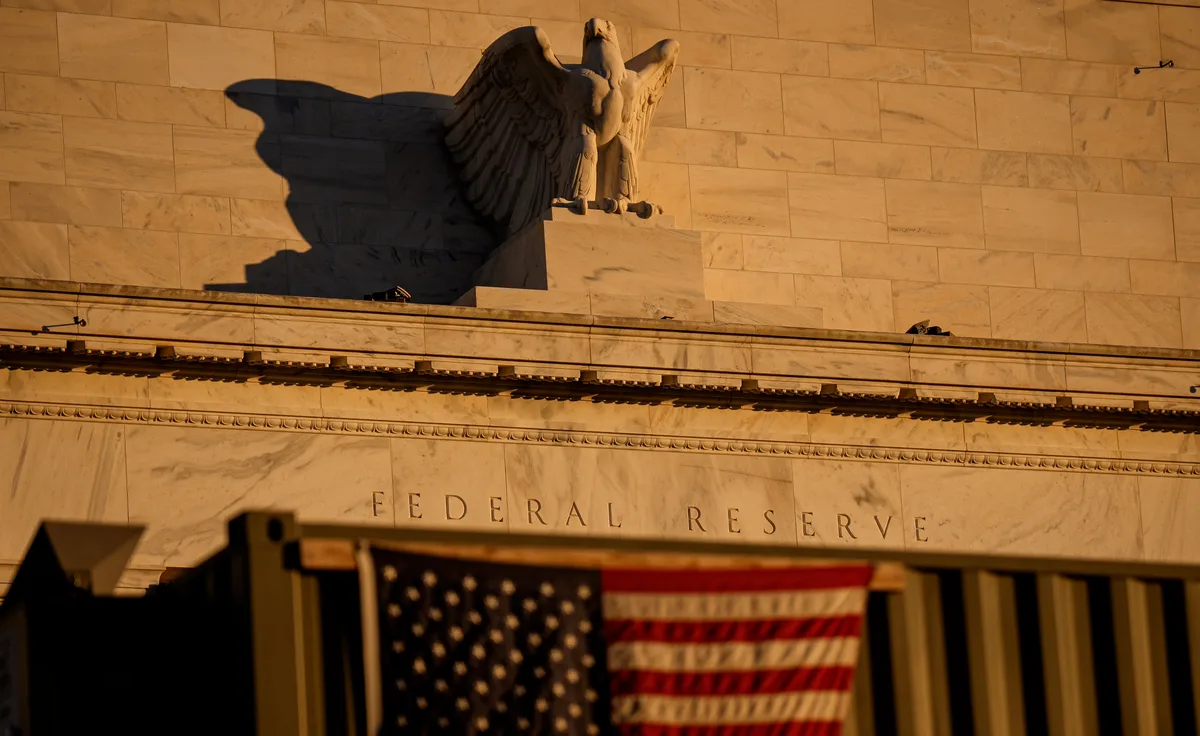
If you've been hoping the Federal Reserve would give your wallet a break this summer, some fresh turbulence in global oil markets might have other plans. The odds of a Fed rate hike in July ticked higher after oil prices jumped following the latest developments in the Strait of Hormuz — one of the world's most strategically critical shipping chokepoints.
Here's the plain-English version of why that connection matters: when oil prices rise, inflation tends to follow (think higher gas prices, pricier goods, bigger utility bills). The Fed's whole job is to keep inflation in check, and one of its main tools is raising interest rates — which makes borrowing more expensive and, in theory, cools down spending and price growth.
Read more India's Inflation Tops RBI's 4% Target for First Time in 16 Months →
So when geopolitical drama rattles a region responsible for a huge chunk of global oil supply, traders start betting that the Fed may feel pressure to act sooner rather than later. That's exactly what appears to be happening now, with market participants recalculating their expectations and pricing in a greater likelihood of a July move.
For everyday Americans, a rate hike would mean things like credit card debt, car loans, and adjustable-rate mortgages could get even pricier. If you've been sitting on the fence about refinancing or locking in a fixed rate on anything, this kind of news is a nudge worth paying attention to. The Fed doesn't telegraph its moves perfectly, but market odds shifting upward is rarely a signal to ignore.
Whether the July hike actually happens depends on how oil markets, inflation data, and economic conditions evolve over the coming weeks. Continue reading at US Top News and Analysis.