Federal Trade Court Backs Trump's 'De Minimis' Loophole Closure
A federal trade court upheld Trump's move to close the de minimis exemption, which the president called a 'BIG WIN' on Truth Social.
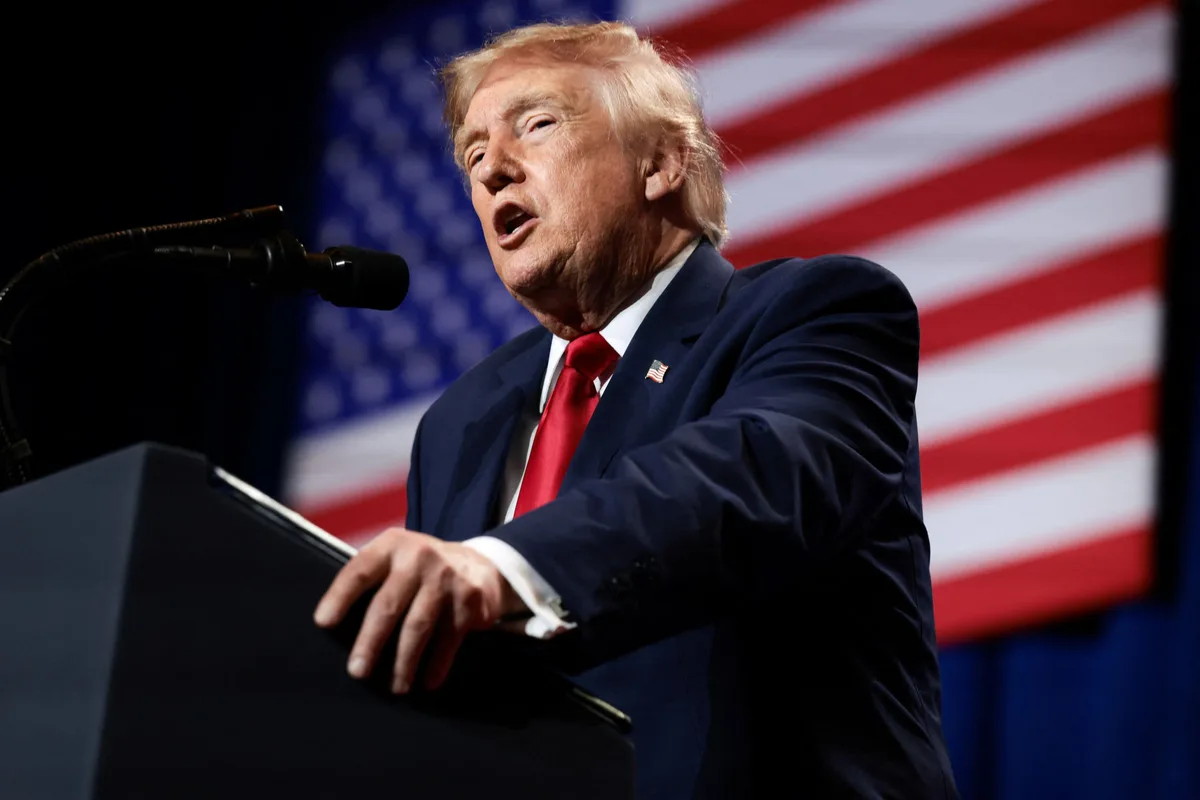
If you've ever snagged a cheap package from an overseas retailer without paying import duties, you've benefited from something called the "de minimis" exemption — a rule that lets low-value shipments slip into the US duty-free. That loophole is now officially on life support, after a federal trade court upheld President Donald Trump's decision to close it.
Trump wasted no time celebrating the ruling, taking to Truth Social to declare it a "BIG WIN." The closure marks a significant shift in how the US handles the flood of small, inexpensive packages that have poured in from overseas sellers — many of them based in China — in recent years. Critics of the exemption had long argued it gave foreign e-commerce platforms an unfair pricing edge over domestic retailers.
Read more Bank of England Tests Stablecoins in Cross-Border Finance →
The de minimis rule, which previously allowed shipments valued under $800 to enter the US without triggering tariffs or formal customs scrutiny, became a flashpoint in the broader trade debate as online shopping exploded globally. Shutting it down is essentially the government saying: if you're selling into America, you play by the same rules as everyone else — regardless of how small the package is.
For everyday shoppers, this could mean higher prices on goods from overseas platforms that built their entire business model around that duty-free threshold. For domestic retailers who've been competing against those lower-priced imports, the court's decision may feel like a long-overdue level playing field. The ripple effects on consumer prices and e-commerce logistics are likely to unfold over the coming months.
Continue reading at US Top News and Analysis.