How Fed Chair Warsh's Tough Inflation Talk Is Pulling Bond Yields Down
New Fed Chair Kevin Warsh is using hardline inflation rhetoric to push Treasury yields lower, a rare policy communications win.
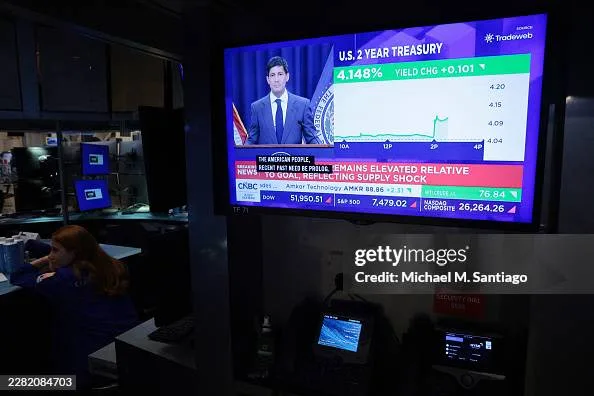
If you've been watching the bond market lately, something a little surprising is happening: yields are falling even as inflation ticks up. Normally those two things move together like a bad couple — when prices rise, bond investors demand higher returns to compensate. So what gives? Enter Kevin Warsh, the new Federal Reserve chair, who's apparently found a way to calm the bond market's nerves through the power of really stern words.
Warsh has been leaning hard on tough anti-inflation messaging since taking the helm at the Fed, and the bond market seems to be buying what he's selling — literally. When investors believe the central bank is serious about crushing inflation, they're more willing to accept lower yields on Treasurys because they trust the Fed won't let price pressures spiral out of control. It's essentially credibility doing the heavy lifting that interest rate hikes sometimes have to do.
Read more ON Semiconductor Tumbles to Worst Day Since 2020 After Synaptics Deal →
This is actually a big deal in the world of monetary policy, even if it sounds abstract. Lower Treasury yields ripple out into everyday financial life — they influence mortgage rates, corporate borrowing costs, and the overall cost of money in the economy. If Warsh can keep yields anchored through communication alone, that's a meaningful tool that doesn't require the blunt instrument of rate increases, which can slow the economy and hurt employment.
Of course, tough talk only works for so long. The bond market is famously unforgiving, and if inflation data keeps coming in hot without the Fed backing up its rhetoric with action, traders will eventually call the bluff. Warsh is essentially making a bet that his credibility — and the Fed's institutional credibility — is strong enough to do some of the inflation-fighting work on its own. Whether that holds up depends heavily on what the next few months of economic data show.
For everyday investors and homebuyers, this is a moment worth watching closely. The tug-of-war between rising inflation and falling yields is unusual enough that it signals genuine uncertainty about where the economy is headed. Continue reading at MarketWatch.com