Iran Closes Hormuz Strait, Hits Gulf States as US Strikes Back
Iran widened attacks to Qatar and UAE while declaring the Strait of Hormuz closed. The US struck over 300 Iranian military targets across three nights.
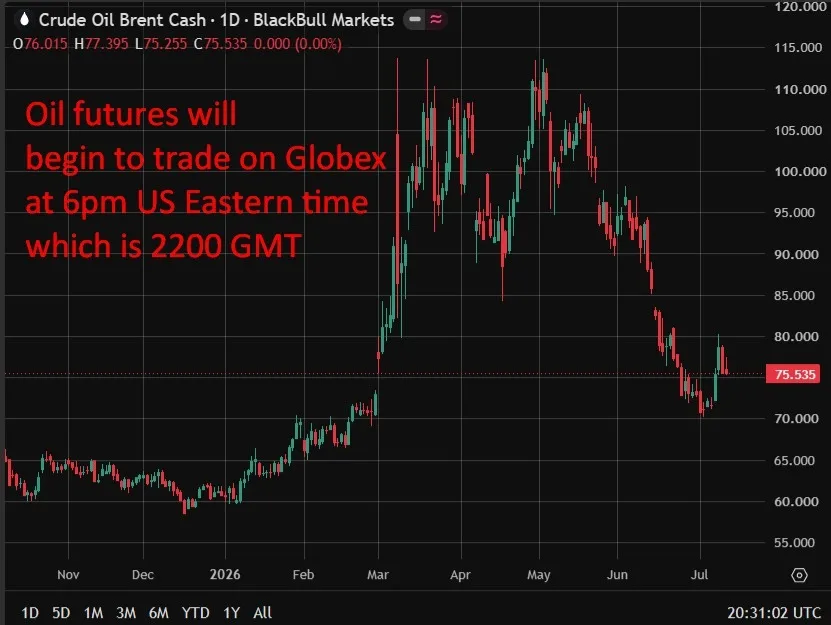
If you missed the weekend's biggest geopolitical story, buckle up — because oil markets are about to have a very bad Monday morning. Iran dramatically escalated its four-month conflict with the United States, extending missile and drone strikes to Gulf states that had largely stayed out of the crossfire, including Qatar and the UAE. At the same time, Tehran's Persian Gulf Strait Authority declared the Strait of Hormuz closed to unauthorized shipping — a move that, if enforced, would threaten roughly 20% of the world's seaborne oil supply.
On the US side, Central Command wasn't sitting still. American forces reportedly struck more than 300 Iranian military targets over three consecutive nights, including 140 targets on Saturday alone. That's not a warning shot — that's a sustained campaign. According to Axios, those hits included Iranian missile systems, air defenses, and IRGC speedboats positioned around the strait itself, suggesting Washington is actively trying to keep that crucial waterway open for tanker traffic.
Read more Why Hedge Funds Are Betting on Gerdau (GGB) as a Top Penny Stock →
The human toll is mounting too. A container vessel called GFS Galaxy was attacked off the coast of Oman, leaving one Indian national missing. Oman managed to rescue 23 crew members. Qatar, which had been acting as a ceasefire mediator, reported injuries from falling shrapnel — including a child — and held Iran directly responsible. Kuwait reported damage to an oil drilling platform, and Bahrain said it intercepted several aerial attacks.
For traders and anyone who drives a car, this is the kind of escalation that puts an instant supply-risk premium on crude oil prices. The US has also revoked the license that had been allowing some Iranian crude sales, which tightens available oil supply even further. One wildcard adding extra nerves to the situation: Iran's new supreme leader, Mojtaba Khamenei, has been publicly absent, leaving markets uncertain about who's really calling the shots in Tehran — and whether cooler heads are even in the room.
Continue reading at Forexlive