Iran Raises Hormuz Threat Level After Tanker Attacks
Iran attacked tankers using a U.S. Navy route and warned ships to stick to Tehran-approved paths or face targeting.
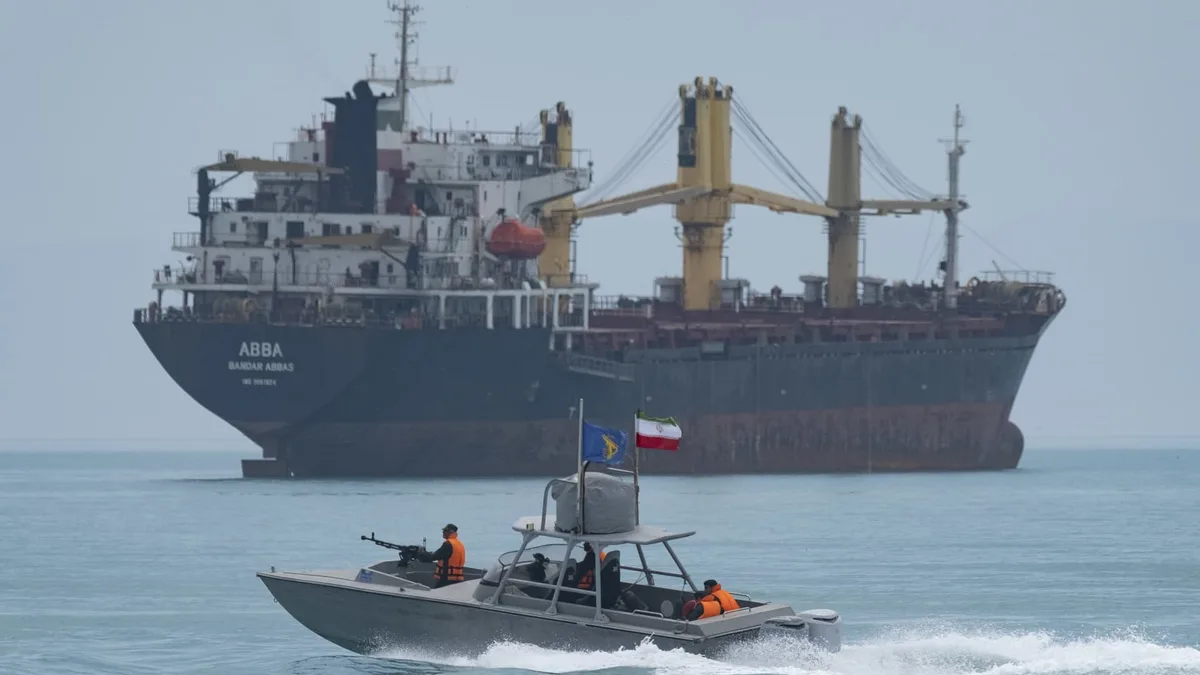
If you've been watching oil prices lately, here's the geopolitical wildcard you need to know about. Iran's military has escalated tensions in one of the world's most critical shipping chokepoints — the Strait of Hormuz — after attacking tankers that were traveling along a route used by the U.S. Navy. The threat level in the strait has now been raised to "severe," a designation that signals real, immediate danger to commercial shipping traffic.
So what does Iran actually want here? Tehran is essentially drawing a line in the water: ships that don't use a northern route that Iran has approved are fair game for attack. That's a bold and provocative move, because the Strait of Hormuz handles a massive chunk of the world's seaborne oil — roughly 20% of global petroleum passes through it. When Iran starts calling shots on who sails where, the entire energy market has to pay attention.
Read more Apple Sales Expected to Hold Steady Despite Price Hikes →
For everyday Americans, this kind of standoff might seem distant, but it has a direct line to your gas tank. Any disruption to tanker traffic through Hormuz can ripple into tighter oil supplies globally, which tends to push crude prices higher — and that eventually shows up at the pump. Shipping companies and energy traders will be watching every development closely to see whether this stays at the threat level or escalates into something more sustained.
The broader context here is a region already on edge. Iran flexing its muscle over maritime routes is part of a longer pattern of using the strait as leverage during periods of geopolitical friction. Whether the U.S. Navy presence in the area can deter further attacks, or whether this becomes a prolonged standoff, remains to be seen — but the "severe" threat designation means nobody is taking this lightly right now.
Continue reading at CNBC.