Iran-US Talks in Doha Cloud Despite Ceasefire Deal
Both sides head to Qatar but Tehran denies any direct meetings, raising doubts about the shaky June 17 accord.
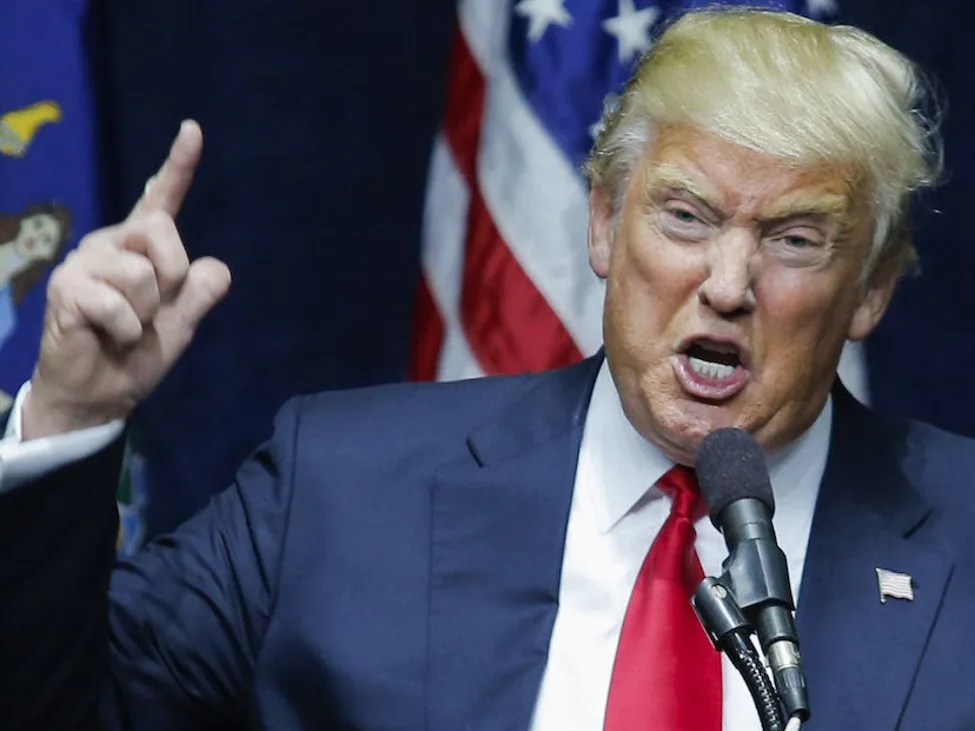
So here's the awkward situation: Iran and the US are both showing up in Doha this week, but Iran is insisting the two delegations won't actually sit in the same room together. Tehran's foreign ministry made clear its technical team's presence in Qatar has nothing to do with the American visit — which is being led by Jared Kushner and envoy Steve Witkoff. If that sounds like a diplomatic cold shoulder, that's because it pretty much is.
What little engagement might happen is expected to go through Qatari and Pakistani middlemen, and even then, the focus would be narrow — think managing ship traffic through the Strait of Hormuz rather than tackling the big-ticket nuclear questions that dominated earlier rounds in Switzerland. Iran has been charging transit fees for vessels using the strait and asserting control over shipping lanes, which has seriously annoyed Washington. French President Macron is trying to help cool things down, saying he's working with Oman and joining partners to clear mines from the waterway.
Read more Charter Stock Surges on Reported SpaceX Mobile Partnership →
The backdrop here is pretty tense. The June 17 ceasefire agreement both sides supposedly agreed to is already creaking — each country has accused the other of violations, and over the weekend there were actual missile and drone exchanges. The US bombed Iranian military facilities; Iran struck American sites in Kuwait and Bahrain. Oil markets noticed: Brent crude climbed close to one percent on Monday as traders priced in the renewed risk.
On the money side, Iranian President Masoud Pezeshkian confirmed that $6 billion in frozen assets held in Qatar will be released in two installments under the accord, alongside US sanctions waivers on Iranian oil and petrochemicals. Pezeshkian called the memorandum a meaningful win for Iran — though whether that optimism survives the current turbulence remains a genuinely open question. And if you needed one more complication, Lebanon's parliament speaker warned that a separate US-brokered Israel-Lebanon deal could effectively partition the country and wouldn't be honored.
Continue reading at Forexlive.