Israel and Lebanon Reach Ceasefire Framework, Eyes on Hezbollah
Israel and Lebanon have agreed to a ceasefire framework, but the deal hinges on Hezbollah agreeing to stand down.
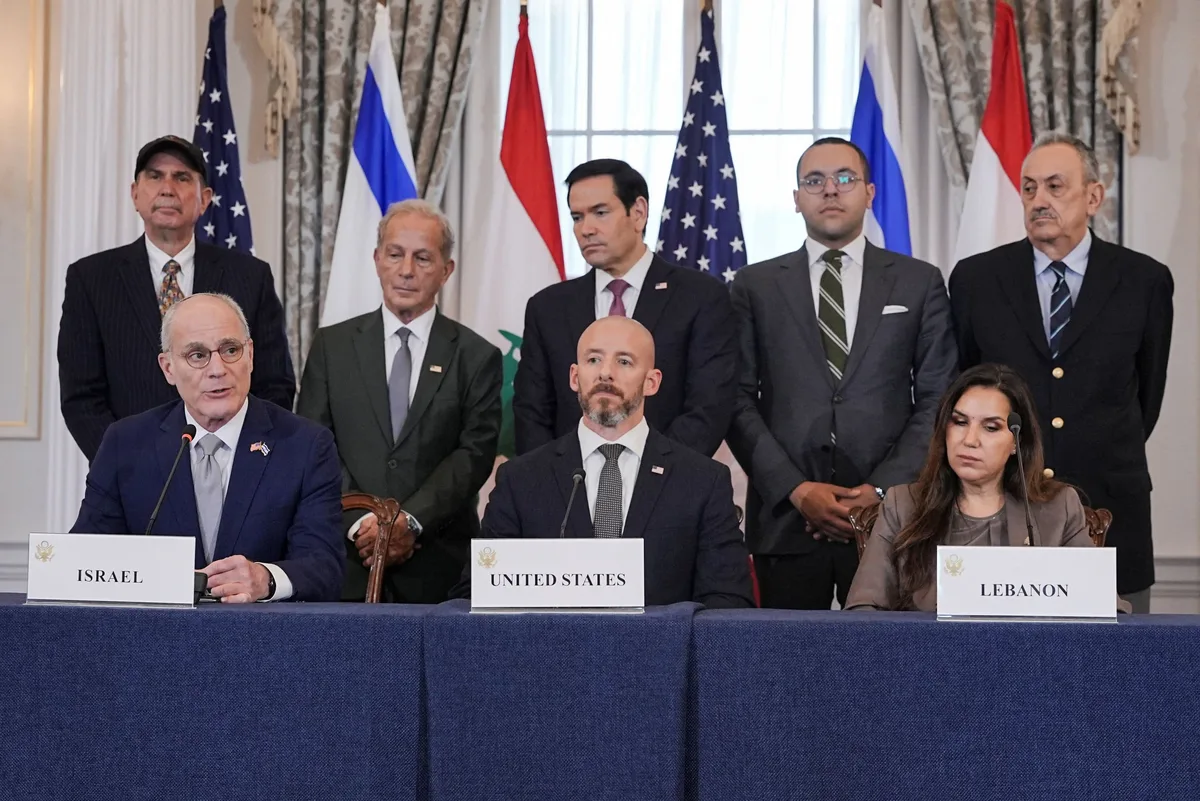
A potential turning point in the Middle East took shape this week after Secretary of State Marco Rubio announced that Israel and Lebanon have reached a framework agreement aimed at what he called "lasting peace and security" in the region. It's a headline worth paying attention to, even if the details are still very much in motion.
Here's the catch, though — and it's a big one. The ceasefire isn't a done deal just yet. The agreement only moves forward if Hezbollah, the powerful paramilitary group operating out of Lebanon, agrees to halt its hostilities. That's a significant condition, because Hezbollah has its own political and military agenda that doesn't always align with the Lebanese government's decisions.
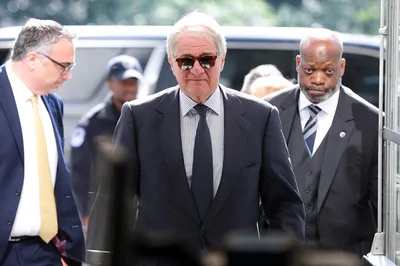
Read more John Bolton Pleads Guilty to Retaining Defense Information →
For everyday observers, think of it this way: Israel and Lebanon's governments shook hands across the table, but a third party that wasn't technically at the table needs to put down its weapons before anything actually sticks. Hezbollah's buy-in is essentially the missing signature on the contract.
The broader implications here are substantial. A genuine ceasefire framework between Israel and Lebanon could reduce volatility across the region — and markets, energy prices, and global supply chains all tend to get jittery when Middle Eastern tensions flare. Whether this agreement holds or falls apart largely depends on what Hezbollah decides to do next, making the coming days critically important to watch.
Continue reading at US Top News and Analysis.