Labor Force Participation Hits 50-Year Low as Job Seekers Quit
The unemployment rate dipped, but not for good reasons — Americans are simply stopping their job searches altogether.
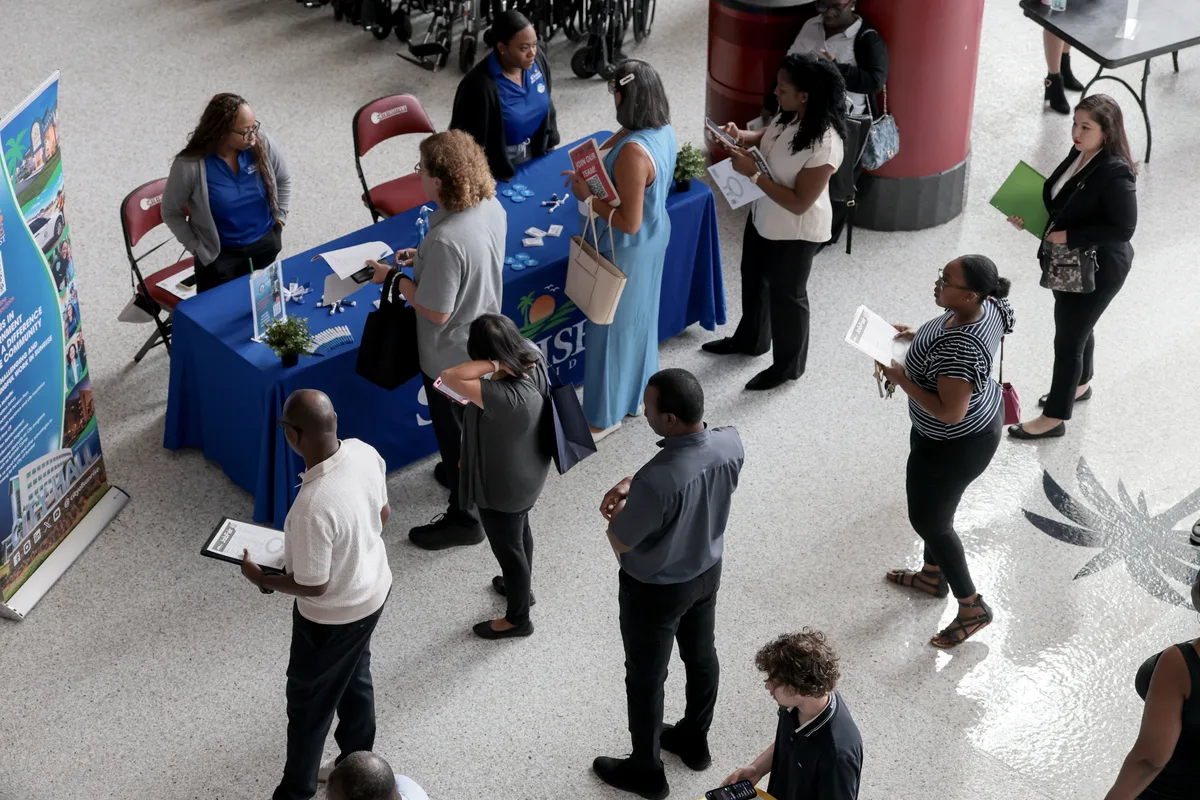
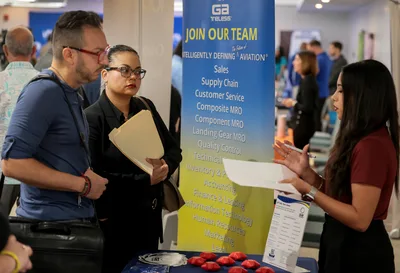
If you saw the headline that unemployment ticked down and thought the job market was suddenly booming, pump the brakes. That silver lining comes with a pretty dark cloud: the labor force participation rate just fell to its lowest point in about 50 years, outside of the brief Covid-era chaos. Translation? Fewer people are even bothering to look for work, and that's what's pulling the unemployment number down.
Here's the quick explainer on why that matters. The official unemployment rate only counts people who are actively hunting for a job. The moment someone throws their hands up and stops applying, they're no longer counted as "unemployed" — they just vanish from the data. So when participation drops, unemployment can fall even if the underlying job market is getting worse, not better. That's exactly the dynamic playing out right now.
Read more US Resumes Dollar Transfers to Iraq After Brief Pause →
This kind of labor force exit is a meaningful warning sign for the broader economy. When workers disengage at this scale, it signals something deeper than a rough patch — it suggests people genuinely don't believe opportunities are out there for them. That has ripple effects on consumer spending, household income, and long-term economic growth, none of which are great for your wallet or the country's GDP.
The overall jobs report was described as downbeat, meaning the participation drop wasn't the only soft spot in the data. Economists and policymakers will be watching closely to see whether this trend reverses or deepens in coming months, since a shrinking pool of active workers puts pressure on everything from Social Security projections to Federal Reserve interest rate decisions.
Continue reading at US Top News and Analysis