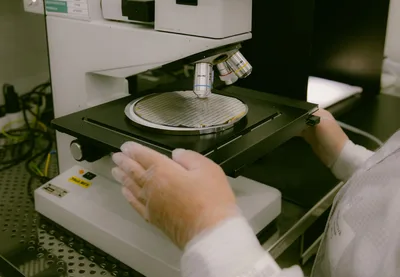
Memory Chip Shortage Could Push Up Laptop and Phone Prices
A global AI-driven memory chip shortage is squeezing retailers and could mean higher prices and fewer products on shelves.
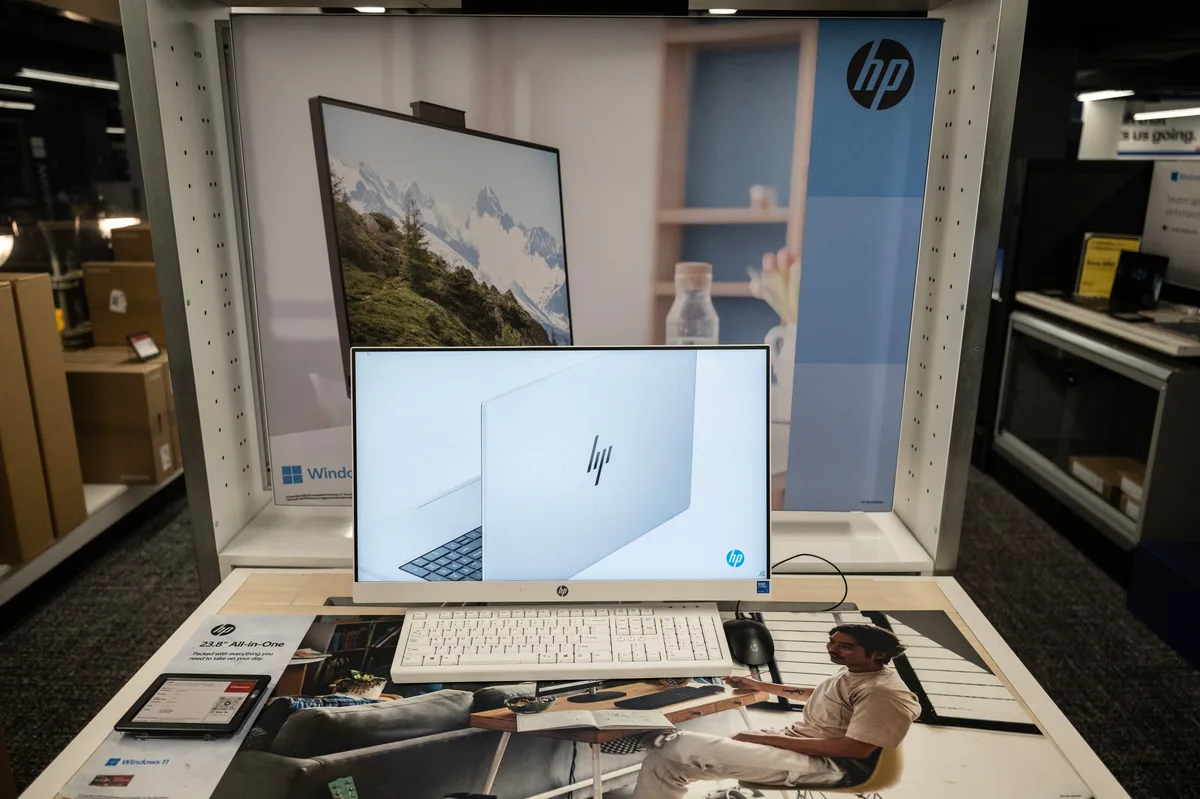
If you've been eyeing a new laptop or smartphone, you might want to act sooner rather than later. A growing shortage of memory chips is starting to push up costs for consumer electronics, and retailers are feeling the squeeze — which means those higher costs could soon land in your shopping cart.
The culprit? The global sprint toward artificial intelligence. As tech giants and startups alike pour resources into AI development, demand for memory chips has surged well beyond what manufacturers can comfortably supply. Memory chips are the behind-the-scenes workhorses that keep your devices running smoothly, and right now there simply aren't enough of them to go around.
Read more ON Semiconductor Tumbles to Worst Day Since 2020 After Synaptics Deal →
For everyday shoppers, that supply-demand imbalance translates into two uncomfortable possibilities: paying more for the same device you could've bought cheaper six months ago, or finding that the model you want is just... out of stock. Retailers who absorb rising chip costs for too long eventually pass those expenses on to consumers, so price hikes aren't just possible — they're likely if the shortage persists.
The ripple effect here is worth watching closely. Laptops and smartphones are among the most common big-ticket purchases Americans make, and a sustained increase in prices could put a dent in household budgets already stretched thin by broader inflation pressures. It's a reminder that the AI boom isn't just a Wall Street story — it has real-world consequences for the gadgets sitting in your pocket and on your desk.
Continue reading at US Top News and Analysis