Microsoft Soars 15% While Meta Drops 8% on AI Earnings Split
Microsoft's Azure and Copilot gains sent shares surging, while Meta's revenue miss and cash flow drop dragged it to a record losing streak.
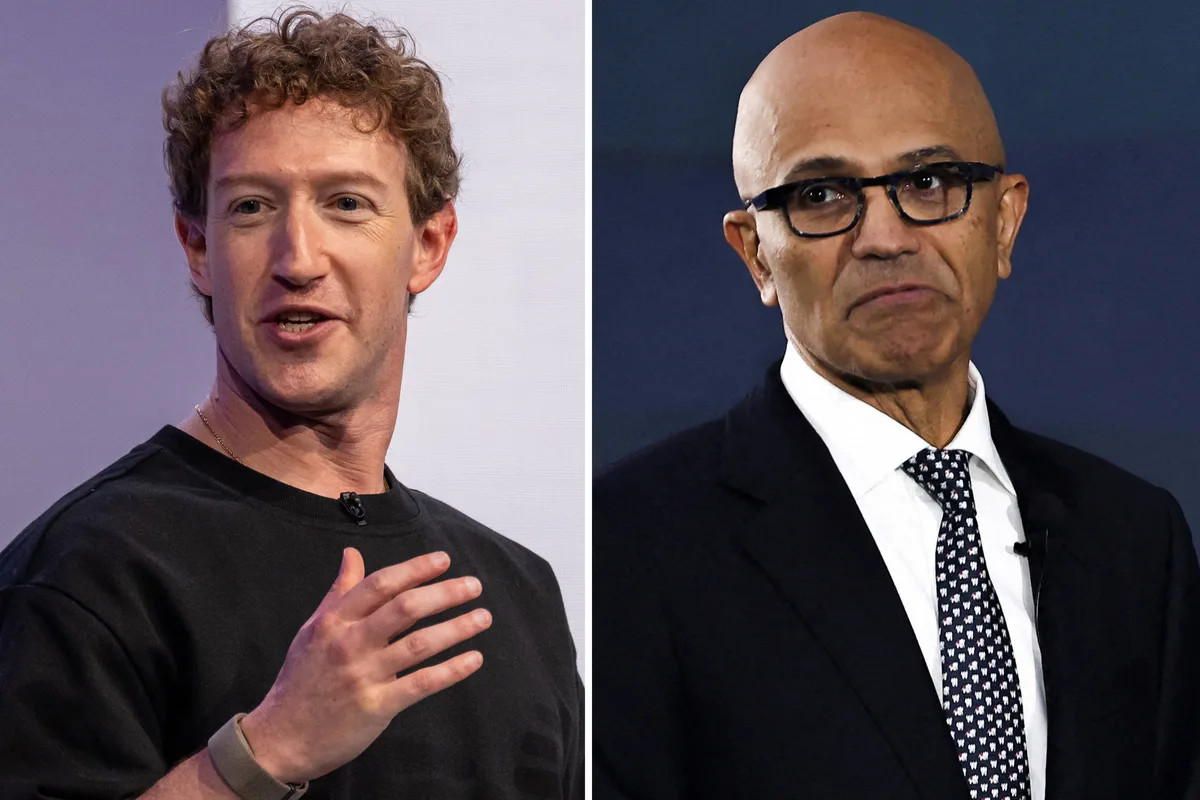
If you needed a reminder that not all AI bets pay off equally, this week delivered it in bold. Microsoft and Meta both leaned hard into artificial intelligence, but their latest earnings told very different stories — and Wall Street voted with its wallet in a big way.
Microsoft jumped a whopping 15% after reporting strong growth in Azure, its cloud computing platform, and Copilot, its AI assistant baked into everything from Word to enterprise software. When a company this size moves that much in a single session, you know investors were genuinely impressed. The results signaled that businesses are actually opening their checkbooks for AI tools, not just kicking the tires.
Read more US Stocks Rally as Microsoft Earnings Lift Chipmaker Shares →
Meta, on the other hand, had a rough one. The Facebook and Instagram parent missed revenue guidance forecasts — meaning it didn't hit the sales targets analysts expected — and its free cash flow (basically the money left over after running the business and investing in growth) took a significant hit. The stock sank roughly 8%, extending what the source describes as a record losing streak. That's a painful stretch for a company that had been riding high on ad revenue and its own AI ambitions.
The divergence matters beyond just two ticker symbols moving in opposite directions. It reflects a broader question investors are wrestling with right now: which companies are actually converting AI spending into real revenue, and which ones are burning cash chasing the trend? Microsoft appears to be in the first camp, at least for now. Meta is facing harder questions about whether its massive AI investment will pay off before it squeezes margins too tight.
For everyday investors, the lesson here is simple — AI is not a monolith. Picking "AI stocks" as a category is like picking "tech stocks" in 2001. The winners and losers are going to look very different. Continue reading at US Top News and Analysis.



