Moving a Prediction Market Midterm Price Is Cheaper Than You Think
Manipulating political prediction markets may cost surprisingly little, raising questions about their reliability as election forecasting tools.
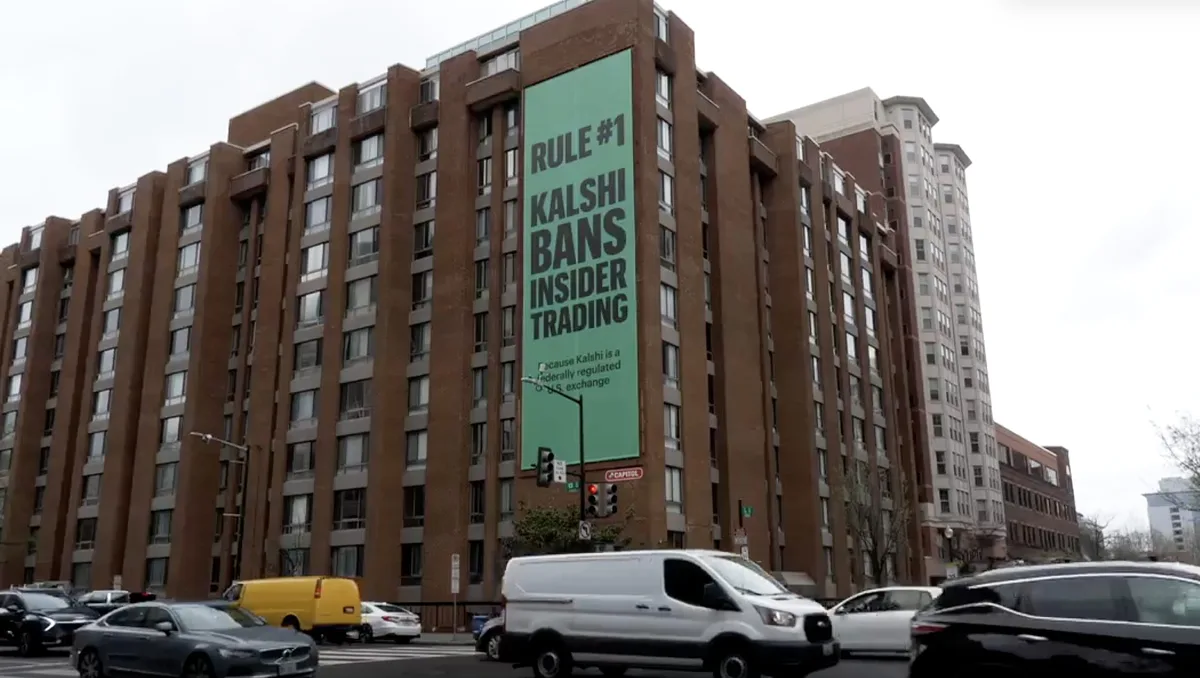
If you've been following prediction markets as a way to gauge who's winning a political race, you might want to pump the brakes. It turns out that artificially moving the price on one of these markets — essentially making a struggling candidate look more competitive than they actually are — doesn't require a Wall Street-sized war chest. The barrier to entry for this kind of manipulation is, frankly, pretty low.
Prediction markets work like financial exchanges: bettors buy and sell contracts tied to an election outcome, and the price of those contracts is widely interpreted as a probability. If a candidate's contract is trading at 30 cents, the market is saying they have roughly a 30% chance of winning. That makes these numbers feel authoritative — almost scientific. But that perceived credibility is exactly what makes them attractive targets for anyone looking to manufacture momentum for a candidate who isn't naturally generating it.
Read more Trump's Oil Holdings Rose Millions Amid Iran Conflict →
The concern here isn't just theoretical mischief. Campaigns, outside groups, or wealthy individuals with a stake in a particular race could, in principle, spend relatively modest sums to nudge a candidate's market probability upward, generating headlines and social media chatter about a supposed surge in momentum. In politics, perception can shape reality — donors loosen their wallets, volunteers sign up, and media coverage shifts when a candidate appears to be on the rise.
This dynamic deserves serious scrutiny as prediction markets gain mainstream credibility and media outlets increasingly cite them alongside traditional polling. Unlike polls, which have established methodological standards and disclosure requirements, prediction markets operate in a murkier regulatory space. That gap between perceived objectivity and actual vulnerability to low-cost manipulation is something voters, journalists, and policymakers should keep firmly in mind heading into any major election cycle.
Continue reading at US Top News and Analysis