Oil Climbs, Stock Futures Slip After U.S.-Iran Strait Clashes
Weekend strikes near the Strait of Hormuz rattled markets, pushing oil higher and sending U.S. stock futures lower.
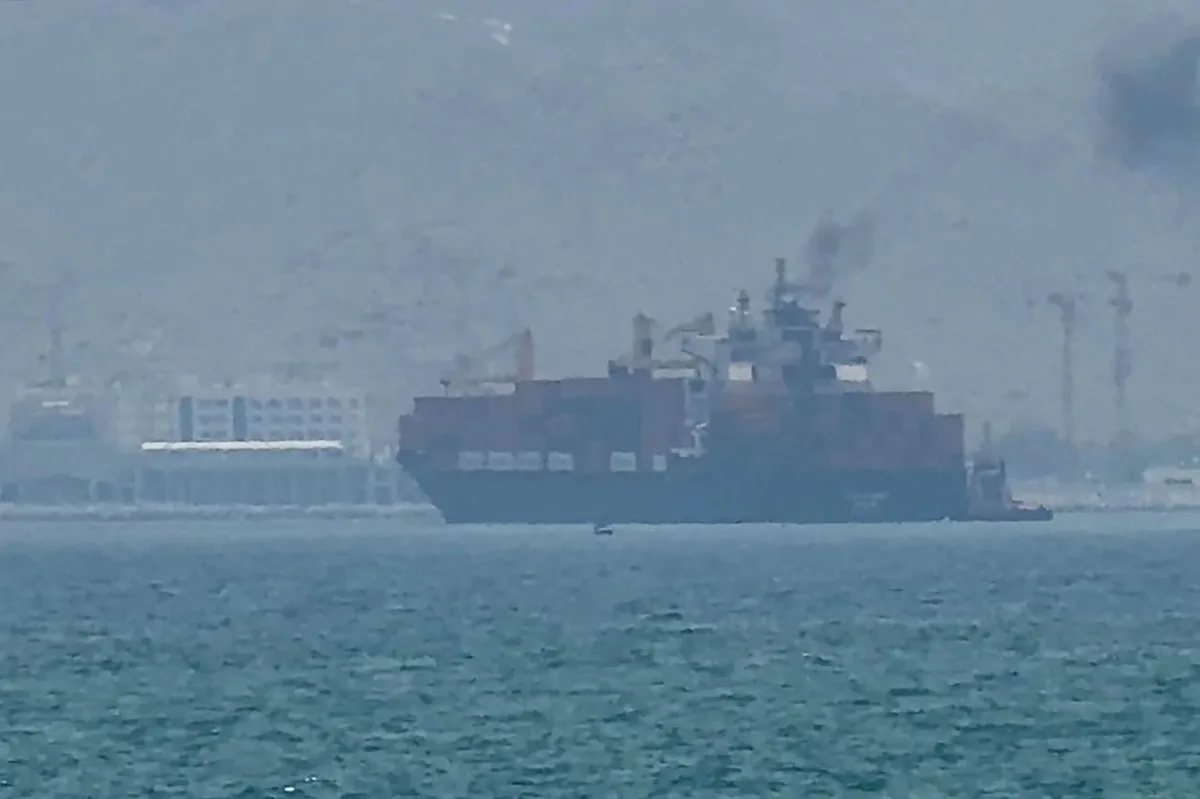
If you checked your portfolio Sunday and felt a little queasy, you're not alone. Fresh military exchanges between the U.S. and Iran near the Strait of Hormuz — one of the world's most critical shipping chokepoints — sent oil prices climbing and U.S. stock-index futures sliding heading into the new trading week.
The Strait of Hormuz is kind of a big deal for anyone who drives a car or pays an energy bill. A huge chunk of the world's oil supply passes through that narrow waterway, which means any sign of conflict in the region tends to spook energy markets almost immediately. When supply disruption fears spike, so does the price of crude.
Read more Why Hedge Funds Are Betting on Gerdau (GGB) as a Top Penny Stock →
For stock investors, the news landed differently. Futures dipping on a Sunday night is essentially Wall Street's early warning system flashing yellow — traders are pricing in uncertainty before Monday's opening bell even rings. Geopolitical flare-ups like this one tend to make investors nervous about broader economic ripple effects, from inflation pressures to potential supply chain headaches.
The back-and-forth between Washington and Tehran has been escalating, and markets are clearly paying close attention. Whether this latest round of strikes turns into a prolonged standoff or cools off quickly will likely determine how both oil and equities behave in the days ahead. In the short term, expect volatility to be the name of the game — buckle up.
Continue reading at MarketWatch.com