Oil Prices Climb After US Strikes Iran Amid Market Jitters
Oil is surging following US military strikes on Iran, while hawkish Fed signals and seasonal stock weakness add to investor unease.
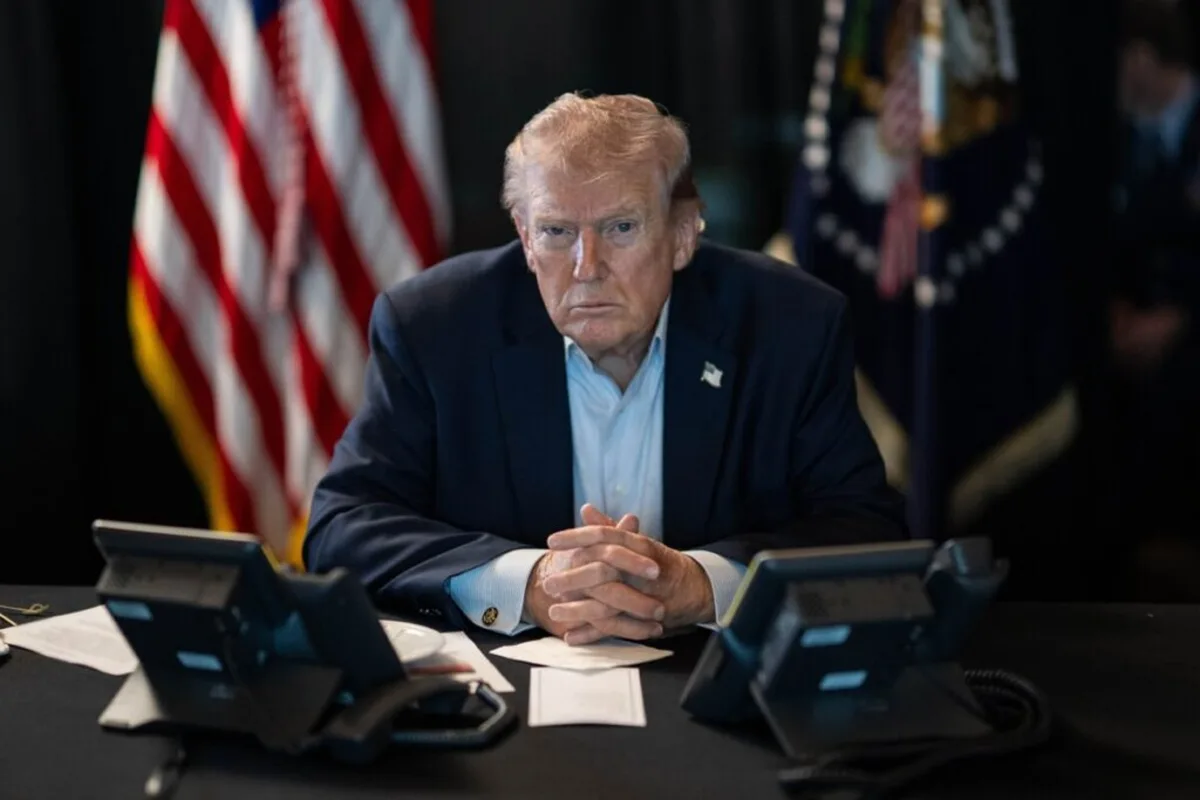
If you've been watching energy markets this morning, you already know things just got a lot more interesting. Oil prices are pushing higher after the United States launched strikes on Iran, sending traders scrambling to price in fresh geopolitical risk. The United States Oil ETF (USO) is reflecting that jump, with crude climbing noticeably from recent levels.
Geopolitical flare-ups in the Middle East have a long history of rattling oil markets, and this one is no different. When military action touches a region that sits at the heart of global energy supply chains, traders tend to buy first and ask questions later. That kind of risk premium can stick around for a while — or evaporate quickly — depending on how the situation develops.
Read more Gold Prices Drop After U.S. Military Strikes on Iran →
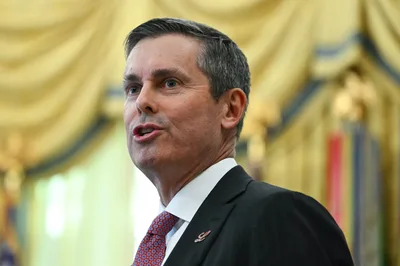
Layered on top of the oil story is some noise coming out of the Federal Reserve corner. Kevin Warsh, whose name keeps surfacing in discussions about future Fed leadership, is coming across as notably hawkish. That matters to you as an investor because a hawkish Fed means higher-for-longer interest rates are still very much on the table, which tends to weigh on growth stocks and risk assets broadly.
Then there's the calendar factor. Stock market seasonality — basically the historical pattern of how markets perform at certain times of year — is flashing a cautionary yellow light for the period ahead. Seasonal weakness doesn't guarantee a selloff, but it's the kind of headwind that makes already nervous markets even twitchier, especially when you're also juggling a geopolitical shock and hawkish Fed chatter at the same time.
Bottom line: you've got three distinct pressures converging — an oil price spike, a hawkish rate outlook, and historically soft seasonal patterns for stocks. That's not a cocktail that tends to inspire confidence in the short term. Continue reading at Benzinga.