Oil Tops $83 as Iran Threatens to Keep Hormuz Strait Shut
U.S. crude jumped up to 3% after Iran signaled the Strait of Hormuz stays closed until its demands are met, rattling energy markets.
Oil prices climbed above $83 a barrel Tuesday after Iran declared it won't reopen the Strait of Hormuz until certain conditions are satisfied — a move that sent traders scrambling and pushed U.S. crude as much as 3% higher earlier in the session. If you've ever wondered why a narrow waterway in the Middle East can rattle your gas prices, this is exactly why.
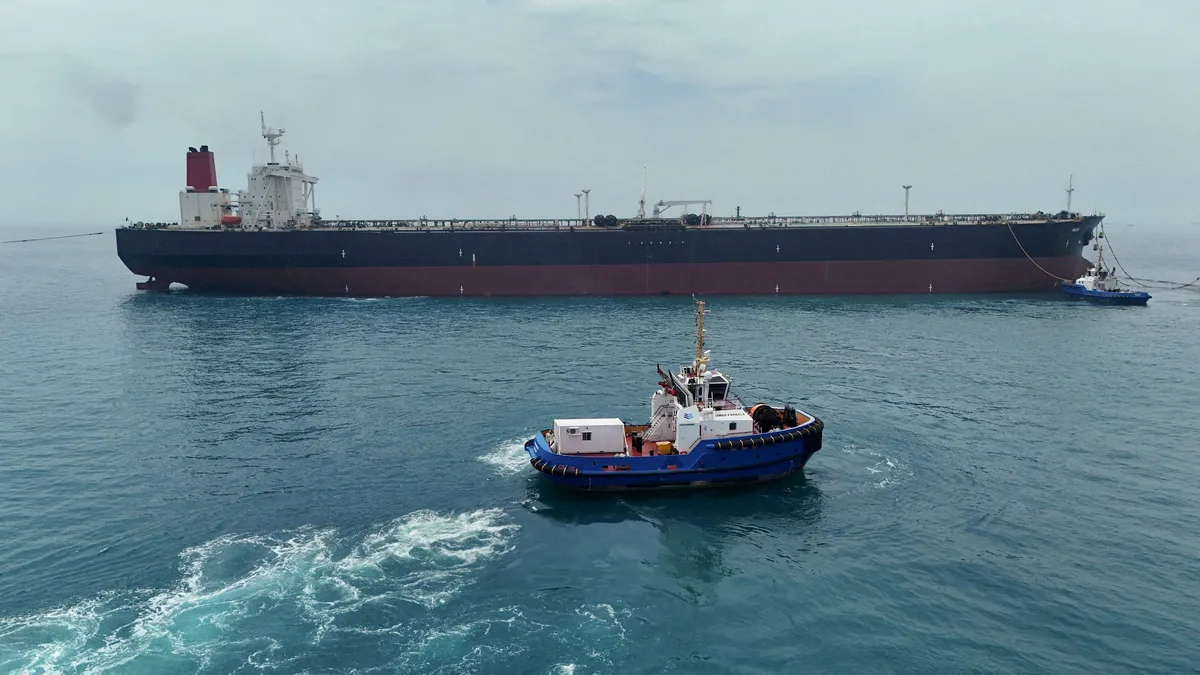
The Strait of Hormuz is essentially the world's most important oil chokepoint. A huge chunk of global petroleum supply flows through that sliver of water between Iran and Oman every single day. When there's any credible threat to that passage — whether military, diplomatic, or political — oil markets react fast and they react hard.
Read more How Apple Stacks Up Against Rivals in Tech Hardware →
Adding fuel to the fire (pun intended), President Donald Trump had already escalated tensions by demanding that Iran pay reparations to the United States. That kind of high-stakes diplomatic pressure rarely calms commodity markets, and Tuesday's price spike was a pretty direct response to the rhetoric coming from both sides.
For everyday consumers, rising crude prices are worth watching closely because they tend to trickle down to the pump within days or weeks. A sustained move above $83 a barrel won't necessarily blow up your budget overnight, but if this standoff drags on, expect gasoline prices to reflect the tension. Geopolitical risk premiums have a way of sticking around longer than anyone expects.
Whether Iran's conditions get met — or whether diplomacy cools things down before markets spiral further — remains to be seen. For now, energy traders are keeping one eye on every headline out of Tehran and Washington. Continue reading at US Top News and Analysis.