Pet Insurance vs. Savings Account: How to Plan for Vet Bills
When your furry friend needs emergency care, will pet insurance or a dedicated savings account serve you better? Here's how to think it through.
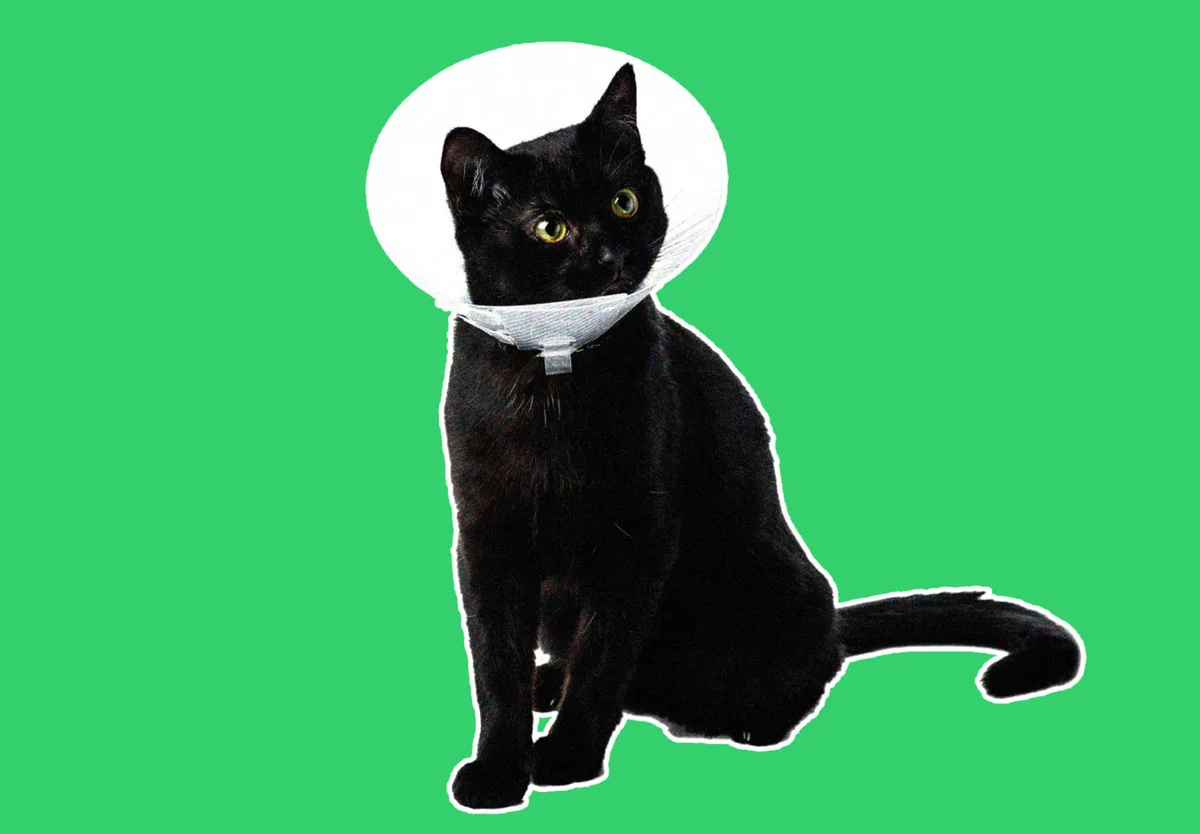
Nobody wants to think about their dog swallowing a sock or their cat taking a dramatic tumble off the counter — but big vet bills have a sneaky way of showing up when your bank account is least prepared. The question isn't really *if* a costly trip to the animal hospital will happen; for many pet owners, it's *when*. So how do you make sure you're ready without hemorrhaging money in the meantime?
Pet insurance works a lot like health insurance for humans: you pay a monthly premium, and when something goes wrong, the insurer covers a portion of the costs — usually after a deductible. The upside is that if your pup needs emergency surgery that runs into the thousands, you're not alone in footing that bill. The downside? Premiums add up, and many policies come loaded with exclusions, waiting periods, and limits that can make claims trickier than they look on the brochure.
Read more Still Working at 71 With $108K Income: Is It Worth It? →
A dedicated pet savings account takes the opposite approach. Instead of paying a company every month, you stash that cash yourself and let it grow. If your pet stays healthy, you keep every dollar. The catch is obvious — if disaster strikes before you've built up a meaningful cushion, you could be caught short right when you need funds the most. It's a strategy that rewards patience and a relatively healthy pet.
The right answer honestly depends on your pet's age, breed, and health history, plus your own financial situation. A young, healthy mixed-breed dog might be a fine candidate for the self-funded savings route, while a purebred prone to hip problems or an older cat might tip the math toward insurance. Some savvy pet owners split the difference — carrying a basic insurance policy for catastrophic events while also keeping a smaller emergency fund on the side.
The bottom line is that winging it with no plan at all is the riskiest move you can make for both your pet and your wallet. Taking time now to run the numbers — comparing premium costs against realistic potential vet bills — can save you from a genuinely gut-wrenching financial decision in an already stressful moment. Continue reading at MarketWatch.com