Private Security Is Now a $50 Billion Industry in the US
Corporate and community demand for personal protection keeps surging, even as violent crime statistics trend downward nationwide.
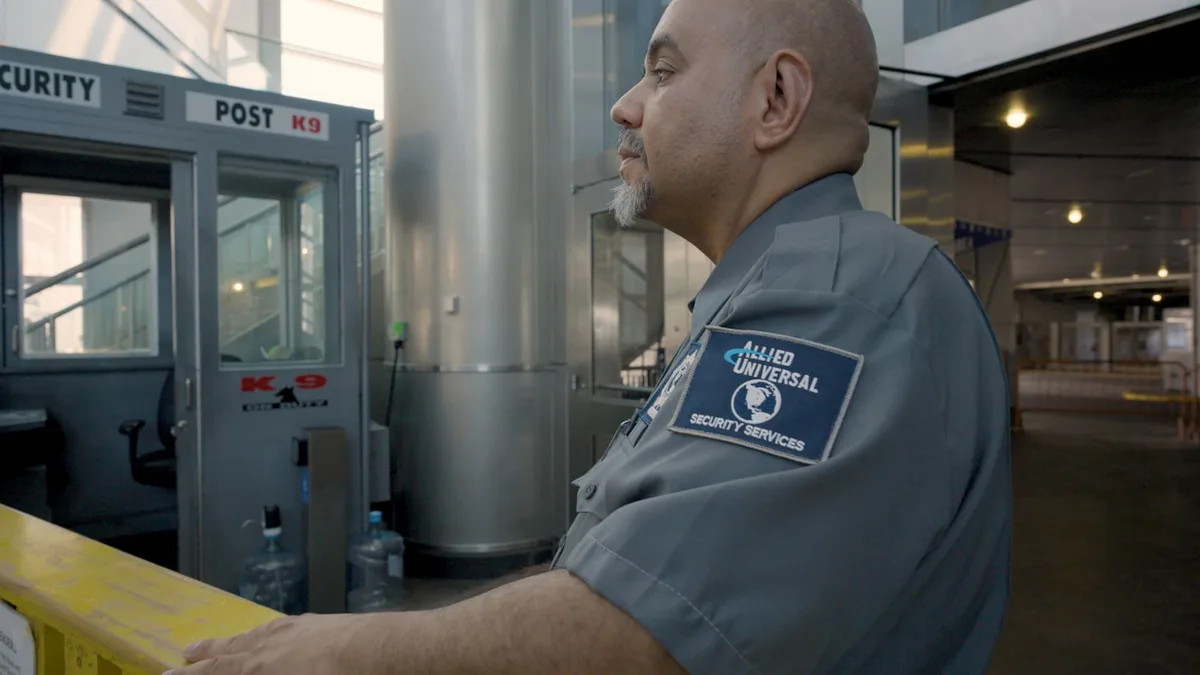
If it feels like there are more security guards everywhere you look — at office lobbies, concerts, neighborhood entrances — you're not imagining it. The private security industry in the United States has ballooned into a $50 billion business, and it shows no signs of slowing down. Companies, wealthy individuals, and even suburban communities are opening their wallets wider than ever to keep threats at bay.
What's driving all that spending? A lot of it comes down to perception versus reality. High-profile attacks — think corporate executives targeted in public, mass shootings at venues, and violent incidents that go viral — create a sense of urgency that pushes executives and community leaders to act, even when the broader crime data tells a more nuanced story. Violent crime in the US has actually been declining over recent years, yet the demand for guards, surveillance technology, and personal protection specialists keeps climbing.
Read more A16z-Backed DATA Revamps Blockchain Strategy After $30M Sui Deal →
For businesses, hiring private security has become less of a luxury and more of a baseline expectation. Shareholders, employees, and boards increasingly view protection spending as part of responsible corporate governance. That mindset has turbocharged guard employment numbers across the country, making private security one of the steadier job-growth sectors in today's economy. Put simply: fear, real or amplified, is extremely profitable.
The ripple effects go beyond just hiring a guy in a blazer to stand by the elevator. The industry now encompasses executive protection agents, cybersecurity-physical security hybrids, AI-powered surveillance systems, and gated-community patrol services. What was once reserved for heads of state or A-list celebrities has trickled down to upper-middle-class neighborhoods and mid-sized companies. It's a full ecosystem built around the business of staying safe.
Whether the boom reflects genuine risk or anxiety fueled by a 24-hour news cycle is a debate worth having — but either way, the dollars flowing into private protection are very real. Continue reading at US Top News and Analysis.