Putin Admits Fuel Shortages Tied to Ukraine's Deep Strikes
Putin publicly acknowledged fuel supply problems, signaling that Ukraine's long-range attacks are straining Russia's energy infrastructure.
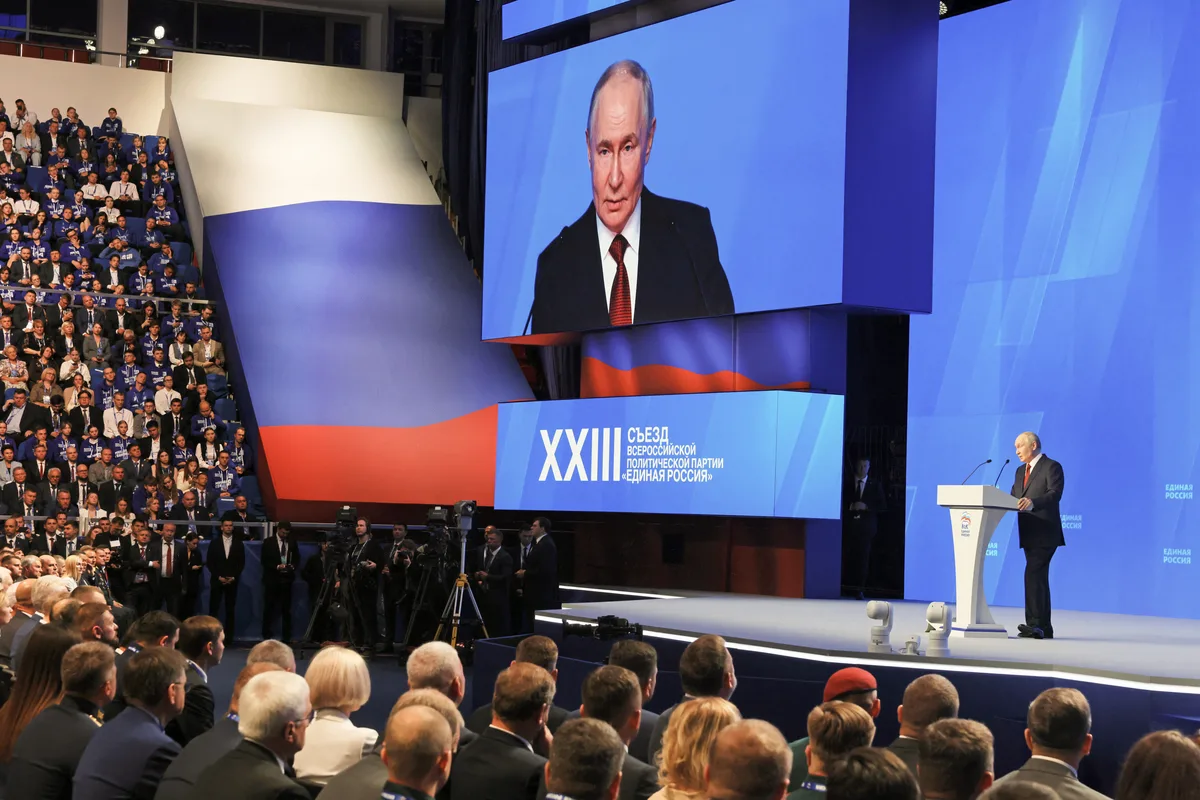
For the first time, Vladimir Putin has openly spelled out just how badly Ukraine's deep-strike campaign is hitting Russia where it hurts — the fuel supply. That kind of candid admission from the Kremlin is rare, and it tells you something significant is going on beneath the surface of Russia's war economy.
Deep strikes, if you're not familiar with the term, are long-range attacks designed to hit targets well behind the front lines — think oil refineries, fuel depots, and other energy infrastructure that keeps a military (and a country) running. Ukraine has been pushing hard on this strategy, and according to Putin himself, it's working well enough that he felt compelled to acknowledge the damage publicly.
Read more Supreme Court Blocks Trump's Bid to Fire Fed Governor Lisa Cook →
When a leader known for tightly controlling the national narrative starts admitting to shortages, it's usually a sign that the problems are too visible to spin away. Fuel constraints don't just affect civilian life — they ripple directly into military logistics, making it harder and more expensive to keep tanks fueled, aircraft flying, and supply lines moving. That's a meaningful strategic pressure point.
Analysts have long argued that targeting energy infrastructure is one of the most effective ways to degrade an adversary's war-fighting capacity without direct battlefield confrontation. Putin's comments appear to validate that theory in real time, suggesting Ukraine's approach is producing measurable results that even Moscow can no longer quietly absorb.
Whether this translates into a significant shift in the conflict's trajectory remains to be seen, but the admission itself is a notable moment worth watching closely. Continue reading at US Top News and Analysis.