Samsung, Micron, SK Hynix Face DRAM Price-Fixing Lawsuit
The three biggest memory chip makers are being sued for allegedly colluding to inflate RAM prices, hitting consumers and businesses hard.
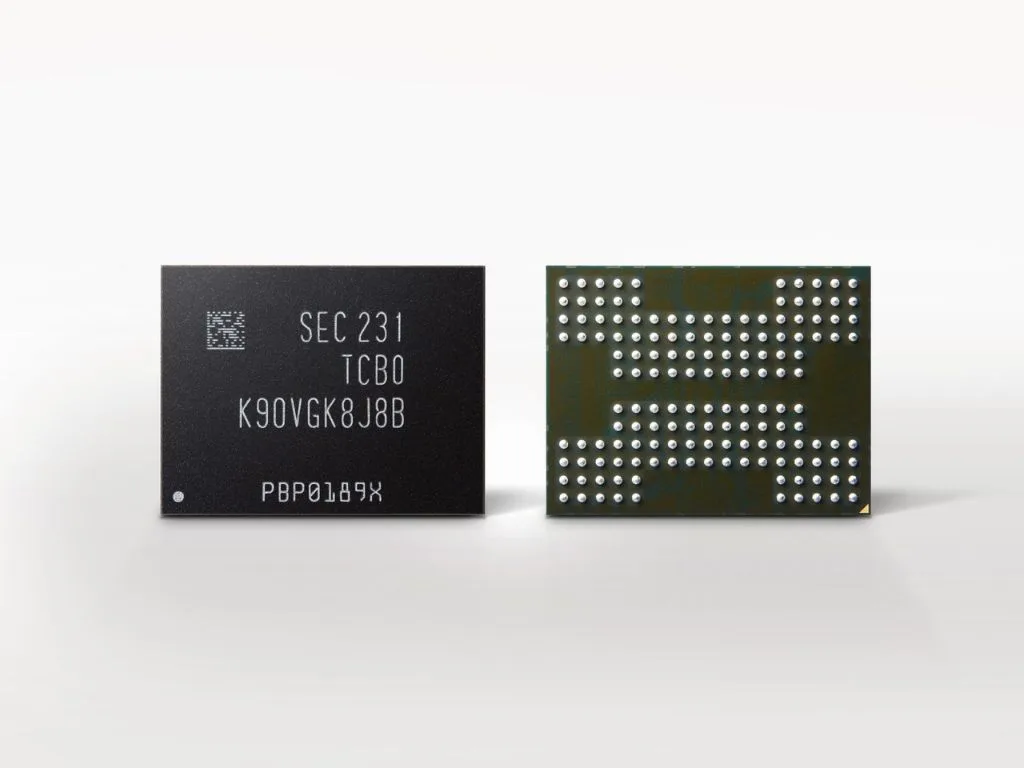
If your PC build budget has felt mysteriously stretched lately, there might be a reason beyond inflation and bad luck. Samsung, Micron, and SK Hynix — the trio that essentially controls the global DRAM market — are facing a lawsuit alleging they coordinated to artificially drive up memory chip prices, a situation critics are calling a 'RAMpocalypse.'
DRAM, or Dynamic Random-Access Memory, is the workhorse RAM inside virtually every computer, smartphone, and server on the planet. When the companies that make nearly all of it allegedly start playing pricing games together, the ripple effect hits everyone from everyday laptop buyers to data center operators running cloud services you probably use daily.
Read more Cape Verde's Goalkeeper Vozinha Is Worth $17M in Social Media Buzz →
The lawsuit targets what plaintiffs describe as coordinated behavior among the three manufacturers to restrict supply and keep prices elevated. Price-fixing allegations in the semiconductor industry are nothing new — memory chip makers have faced similar legal scrutiny before — but the timing here is notable given that memory prices have already been climbing, squeezing both consumers and device makers who pass those costs downstream.
For regular shoppers, this kind of alleged collusion is particularly frustrating because DRAM isn't exactly a market where you can easily shop around. Samsung, Micron, and SK Hynix collectively dominate production to such a degree that there's no meaningful alternative supplier to turn to if you feel like boycotting one of them. That lack of competition is precisely what makes price-fixing allegations in this space so serious from an antitrust perspective.
Whether the lawsuit ultimately succeeds is a separate question from whether it shines a useful spotlight on memory market dynamics that affect nearly every piece of tech hardware sold today. Continue reading at notebookcheck.