Single-Stock ETFs Are Pushing Leverage to Its Limits
The ETF world has evolved far beyond boring index funds. Now single-stock leveraged ETFs are raising serious risk red flags.
Remember when ETFs were the responsible choice — cheap, tax-friendly, and about as exciting as a savings account? Those days feel like ancient history. The ETF market has morphed into something far more aggressive, and experts are starting to wonder if the whole thing is getting a little too wild for its own good.
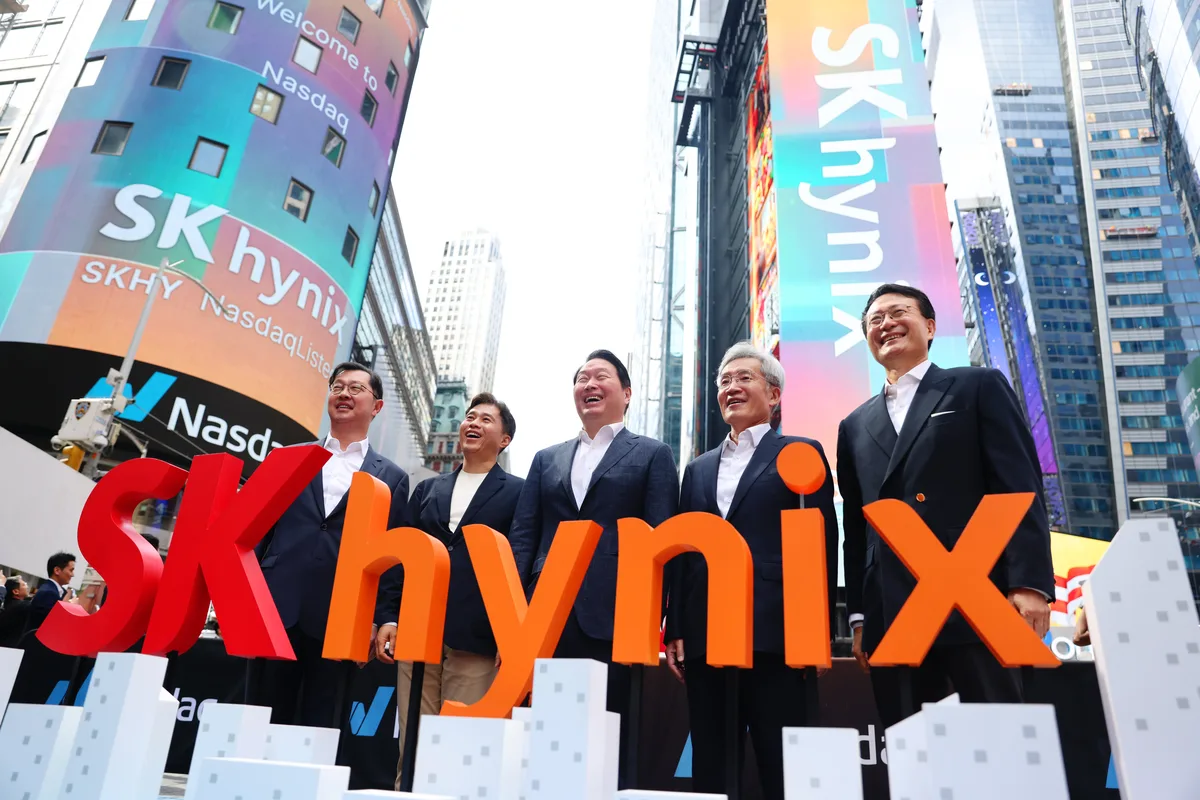
The latest flashpoint is SK Hynix, the South Korean chipmaker that's become a poster child for just how far single-stock ETFs have pushed the envelope on leverage. These products let everyday investors bet big — sometimes two or three times as big — on the daily moves of a single company's stock. That's a very different animal from a diversified index fund tracking the S&P 500.
Read more Bank Earnings Season Arrives With Financials Looking Cheap →
Leverage, for the uninitiated, basically means you're borrowing power to amplify your returns. Win big when you're right, lose even bigger when you're wrong. When that amplification is applied to a single stock — rather than hundreds of companies — the risk compounds fast. Financial observers are describing the current state of the market as leverage getting "a little carried away," which in finance-speak is basically a polite alarm bell.
The original promise of the ETF was democratization: give regular people access to diversified, low-cost investing. Single-stock leveraged ETFs flip that script almost entirely. Instead of spreading risk across dozens or hundreds of holdings, you're doubling down on one company's daily performance. It's less "set it and forget it" and more "strap in and hope for the best."
Whether regulators or the market itself will eventually pump the brakes remains an open question, but the trajectory is clear — the ETF industry is testing boundaries that its founders probably never imagined. Continue reading at US Top News and Analysis.