Social Security Claims Overpayment for 7 Years: Can They Cut Your Benefits?
A reader disputes an SSA overpayment claim, saying the agency mixed up which year income was earned. Here's what you need to know.
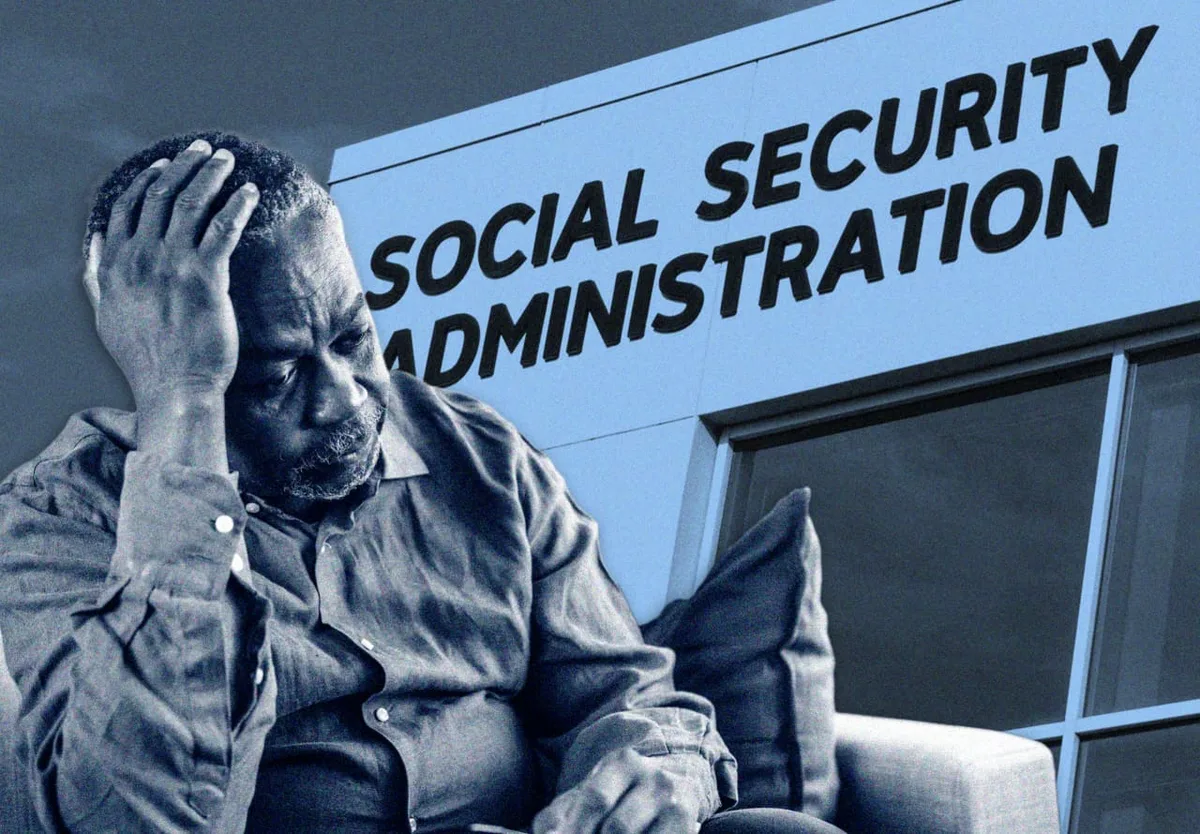
Getting a letter from Social Security saying you've been overpaid is stressful enough — but what if you think they simply got the math wrong? That's exactly the situation one reader is facing after the Social Security Administration claimed they were overpaid across seven years, allegedly because the agency attributed $43,000 in earnings to 2019 when the money was actually earned in 2020. One year's difference might sound minor, but when benefits calculations are involved, the timing of income can swing what you're owed in a pretty significant way.
Social Security overpayment disputes are more common than most people realize, and the agency does have real authority to recover money it believes was paid in error — including by reducing your ongoing monthly benefits. That can feel like a gut punch, especially if you're relying on those payments to cover everyday expenses. The good news is that you're not powerless. The SSA has a formal appeals process, and if you genuinely believe the error is on their end, you have the right to contest it.
Read more Still Working at 71 With $108K Income: Is It Worth It? →
If you find yourself in this position, acting quickly matters. There are deadlines for filing a request for reconsideration, and missing them can make recovery much harder. You'll want to gather documentation — tax returns, W-2s, pay stubs, anything that proves when you actually earned that income. A single well-organized paper trail can be the difference between winning your case and eating a benefits cut you didn't deserve.
It's also worth knowing that you can request a waiver of the overpayment if you believe you're not at fault and repayment would cause financial hardship. The SSA considers both factors, so even if the underlying numbers are eventually confirmed, you may still have options to avoid a harsh clawback. Consulting with a Social Security attorney or a benefits counselor before responding to the agency is often a smart move — many offer free initial consultations.
Continue reading at MarketWatch.com