Trump Advisors Back Off Fed Chair Warsh Amid Rising Inflation
Trump's economic team is giving new Fed Chair Kevin Warsh breathing room on rates even as the president keeps pushing for cuts.
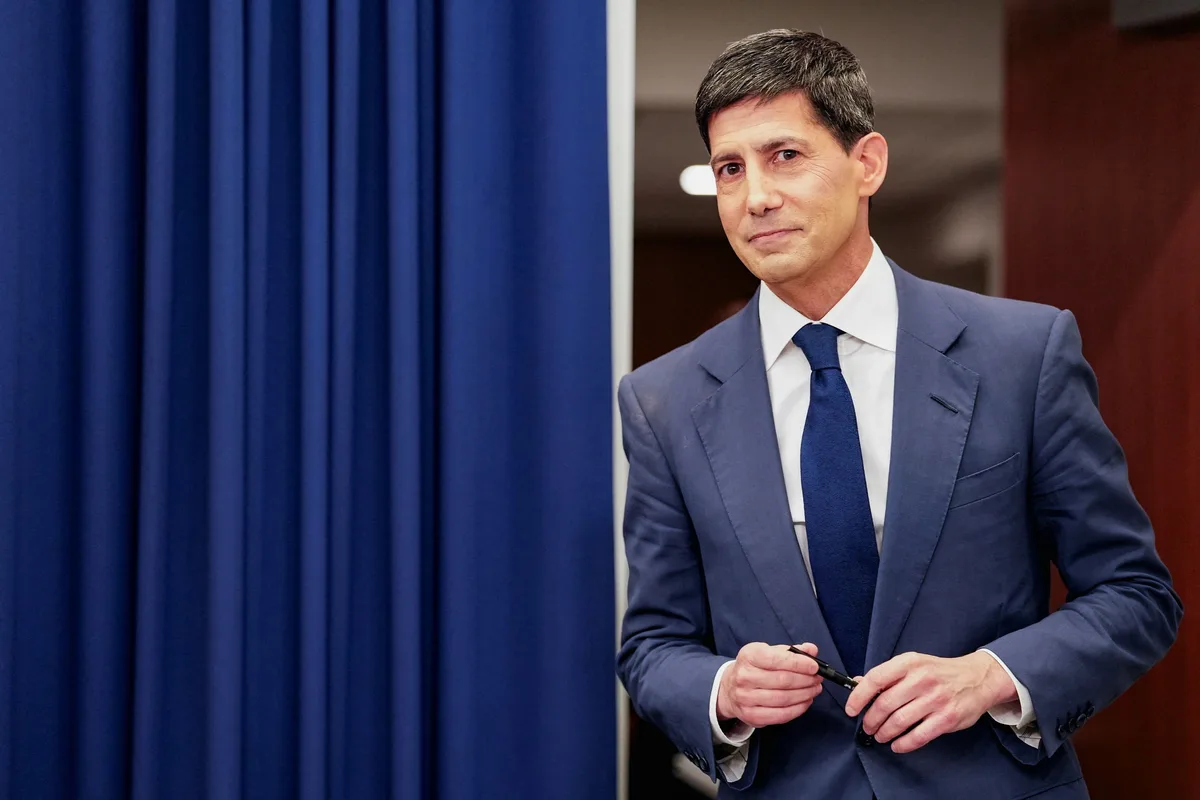
If you've been watching the White House's relationship with the Federal Reserve lately, things just got a little less dramatic — at least for now. President Donald Trump's economic advisors are reportedly giving Fed Chairman Kevin Warsh some room to maneuver on interest rate decisions, even as Trump himself continues to publicly beat the drum for lower rates. It's an unusual balancing act, and it tells you a lot about how complicated things have gotten inside the administration's economic circles.
The backdrop here matters. Inflation has climbed above 4%, which is a big deal because that's exactly the kind of environment where cutting interest rates can feel like throwing gasoline on a fire. The Fed's whole job is to keep prices stable, and when inflation is running hot, the textbook move is to keep rates elevated — or even raise them — not slash them. So Warsh is navigating real pressure from two directions: a president who wants cheaper borrowing costs and an economy that's signaling caution.
Read more Minneapolis Fed's Kashkari Expects a Rate Hike This Year →
What's interesting is that the advisors stepping back could be a strategic choice. By giving Warsh space publicly, the White House avoids looking like it's directly meddling with an institution that's supposed to be independent. Markets care deeply about Fed independence — the moment investors think a central bank is just doing a president's bidding, confidence in that currency and those bonds can take a hit fast. So this softer approach may be as much about managing market perception as it is about actual policy disagreement.
For everyday Americans, the tug-of-war matters in very practical ways. Lower interest rates mean cheaper mortgages, car loans, and credit card debt — stuff people actually feel. But if rate cuts fan inflation further, that same household ends up paying more at the grocery store and the gas pump. There's no free lunch here, and Warsh is the one holding the check.
How this tension resolves could define a major chunk of Trump's economic legacy in this term. Continue reading at US Top News and Analysis.