Trump Talks, Ukraine Strikes, and Kyiv Attack Rattle Markets
Trump's calls with Putin and Zelenskyy, fresh Ukraine strikes on Russia, and a deadly Kyiv barrage have investors watching the conflict closely.
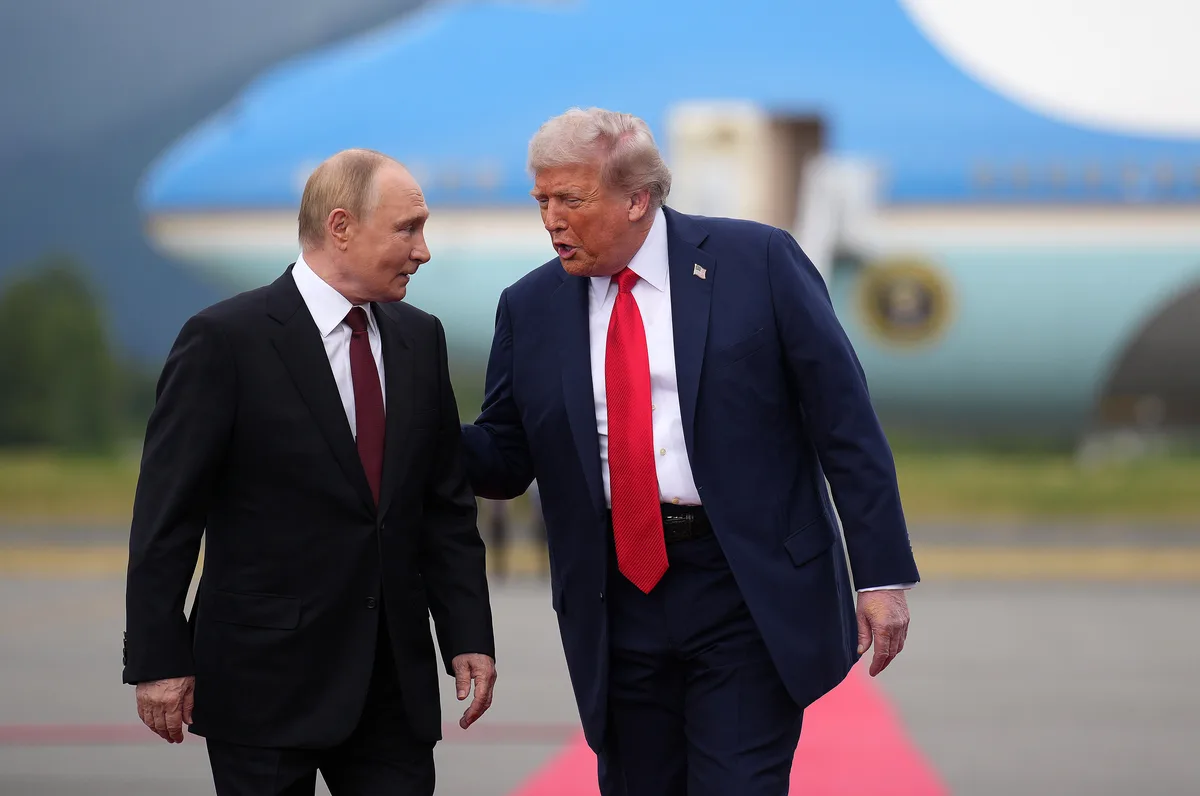
If you've been checking your portfolio more than usual lately, the Russia-Ukraine war is probably a big reason why. Markets are on edge after a flurry of diplomatic and military developments unfolded in quick succession, reminding traders that geopolitical risk is very much still on the table.
President Trump reportedly got on the phone with both Russian President Vladimir Putin and Ukrainian President Volodymyr Zelenskyy, signaling that Washington is actively engaged — or at least trying to be — in nudging the two sides toward some kind of resolution. When a sitting U.S. president is making calls to both warring leaders in the same news cycle, Wall Street pays attention, because that kind of diplomacy can either calm things down fast or escalate them just as quickly.
Read more DRAM Prices Could Plunge Up to 90% Within Three Years →
At the same time, Ukraine launched strikes against Russian targets, a move that shows Kyiv isn't waiting around for ceasefire talks to play out before pressing its military position. Russia, meanwhile, answered with another deadly barrage on Kyiv — a grim reminder that the humanitarian and economic toll of this conflict keeps climbing regardless of what's happening at the negotiating table.
For everyday investors, this kind of back-and-forth is a classic recipe for short-term volatility. Energy prices, European equities, and defense stocks are especially sensitive to headlines out of this war zone. When missiles are flying and world leaders are on the phone, commodity markets — particularly oil and natural gas — tend to swing hard in either direction depending on what the news cycle spits out next.
The situation is fluid, and analysts caution that any optimism around diplomatic progress can evaporate overnight if military actions escalate. Keeping a close eye on how these Trump conversations develop — and whether they translate into any formal ceasefire framework — will be key for markets in the days ahead. Continue reading at US Top News and Analysis.