Uber Bets $500M on Robotaxis While Tesla and Waymo Compete
Uber is pouring $500 million into robotaxi partnerships as Waymo and Tesla battle for autonomous ride-hail dominance.
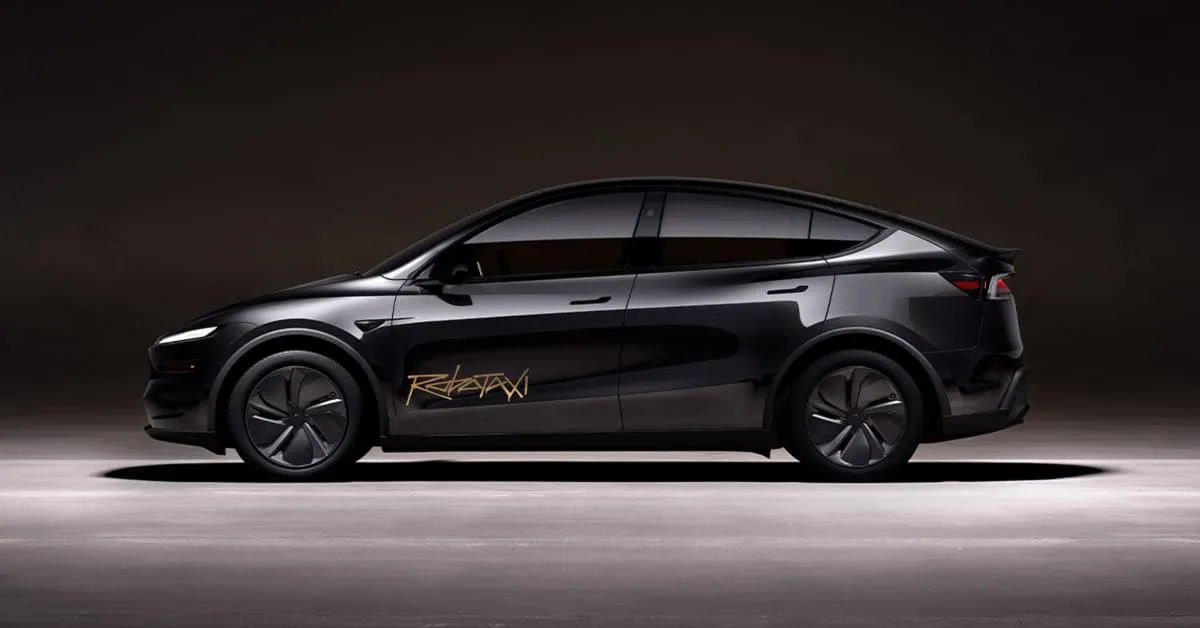
The robotaxi race has a surprising big spender — and it's not the company building the flashiest self-driving hardware. Uber, which doesn't manufacture a single autonomous vehicle, is quietly writing $500 million checks to secure robotaxi partnerships and make sure it doesn't get left in the dust as driverless ride-hailing edges closer to mainstream reality.
That's a striking strategic bet. While Tesla and Waymo dominate the headlines with their respective self-driving tech — Waymo with its fully driverless commercial service and Tesla with its much-hyped robotaxi ambitions — Uber is playing a different game entirely. Instead of building the cars or the AI brains behind them, Uber is essentially trying to own the distribution layer: the app you'd open to actually book one of these autonomous rides.
Read more China's Zhipu AI Closes Gap With OpenAI and Anthropic on Cost →
Waymo, backed by Alphabet (Google's parent company), already operates real, paying-customer robotaxi services in select U.S. cities, making it arguably the most commercially advanced player right now. Tesla, meanwhile, has been promising a robotaxi future for years and is under pressure to actually deliver. The tension between those two alone would make for a compelling story — but Uber's half-billion-dollar shadow campaign adds a fascinating third dimension.
Think of it like a gold rush analogy: Tesla and Waymo are mining for gold, but Uber is selling the pickaxes — or rather, paying top dollar to make sure the miners sell their gold exclusively through Uber's shop. It's a capital-light manufacturing model with a very capital-heavy partnership strategy attached. Whether that approach pays off depends on which autonomous vehicle players actually scale successfully and whether they need Uber's rider network to do it.
The robotaxi industry is still in its early innings, but the competition is clearly heating up fast enough that even a non-automaker feels the urgency to spend at this scale. Continue reading at MarketWatch.com