US and UK Align on Stablecoin and Tokenization Rules
Washington and London are syncing digital asset frameworks as the US moves to enforce its 2025 stablecoin payment law.
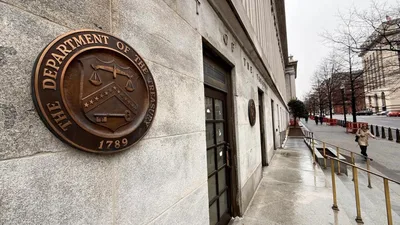
If you've ever wondered whether governments can actually get on the same page about crypto regulation, here's a small win: the US and UK treasuries have issued joint recommendations aimed at aligning how each country treats digital assets — specifically tokenization and payment stablecoins. Think of it as a transatlantic handshake for the blockchain age.
The timing matters. The US is gearing up to implement a 2025 law focused on payment stablecoins — the kind of digital tokens pegged to real-world currencies like the dollar that people use to move money around without the wild price swings of Bitcoin. Getting rules in place before adoption explodes is generally smarter than playing catch-up, and coordinating with a major ally like the UK means fewer regulatory gaps that bad actors could exploit.
Read more US and UK Push to Harmonize Tokenized Finance Rules →
Tokenization — the process of putting real-world assets like bonds, real estate, or stocks onto a blockchain — is also squarely in the crosshairs of this collaboration. Both governments seem to recognize that tokenized assets are no longer a fringe experiment; they're increasingly part of how traditional finance is evolving. Without clear, compatible rules on both sides of the Atlantic, financial institutions operating internationally could face a messy patchwork of conflicting requirements.
This kind of regulatory coordination is genuinely significant, even if the details are still being worked out. When two of the world's largest financial centers agree on a framework, it tends to set the tone for other countries deciding how to handle the same issues. For everyday investors or businesses building in the crypto space, clearer and more consistent rules could eventually mean less legal uncertainty — which, let's be honest, has been a major headache in this industry for years.
Continue reading at Cointelegraph