US Auto Industry Braces for Uncertainty Over USMCA Trade Deal
Without an extension of the USMCA trade deal, automakers face growing uncertainty, especially around complex rules that determine where vehicles officially 'come from.'
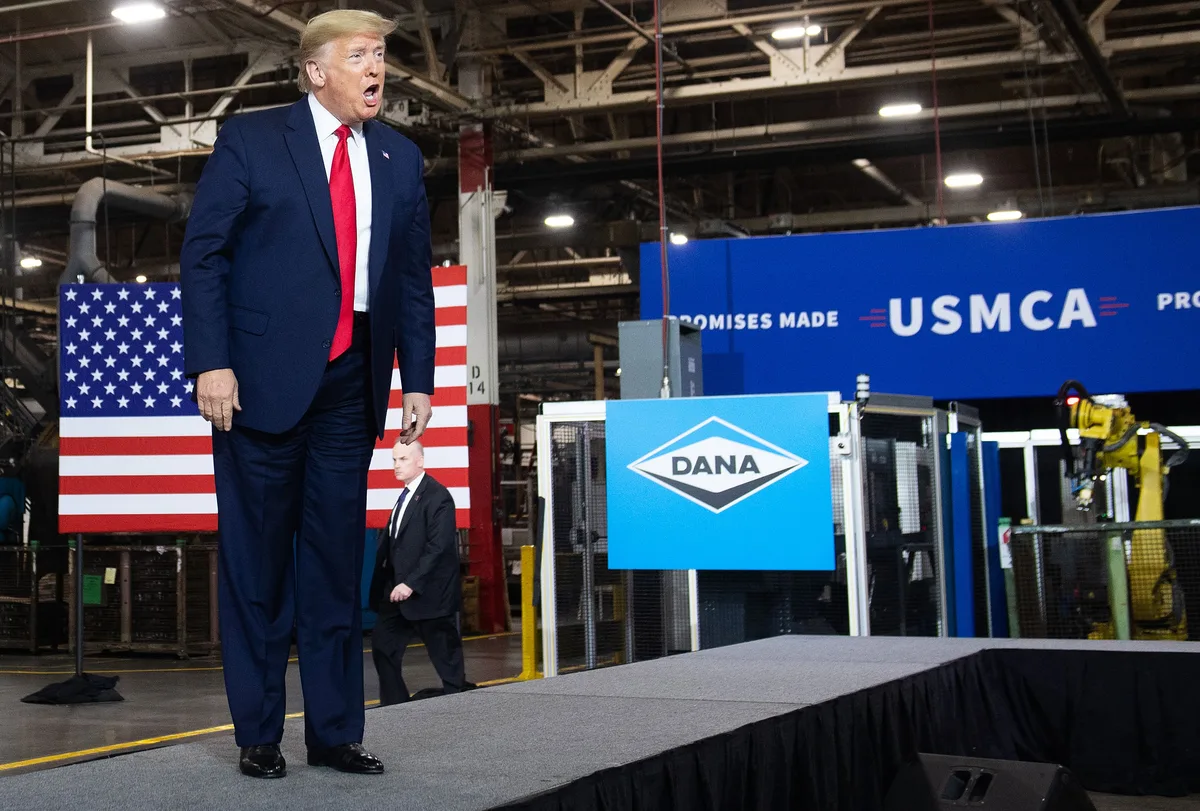
If you build cars for a living — or just buy them — the fate of the USMCA trade deal is something worth paying attention to. The United States-Mexico-Canada Agreement is the backbone of North American auto manufacturing, and without a clear extension on the table, the industry is operating in a fog of uncertainty that could ripple from factory floors all the way to dealership lots.
At the heart of the tension are what trade wonks call "rules of origin." In plain English, these are the rules that decide where a product is considered to have been made — and whether it qualifies for the deal's preferential (read: lower or zero) tariff treatment. For automakers juggling sprawling cross-border supply chains, getting this wrong isn't just a paperwork headache; it can mean significantly higher costs on vehicles that cross the US, Mexican, or Canadian border.
Read more Lumine Group Expands Media Tech Footprint With Imagine Communications Deal →
The stakes here are enormous. The North American auto sector is deeply integrated — a single vehicle can cross borders multiple times during production, with parts sourced from all three countries. Any disruption to the rules governing that process could force manufacturers to rethink where they source components, where they assemble cars, and ultimately how much you pay at the dealership.
Without a firm commitment to extend or renegotiate USMCA on favorable terms, automakers are left making expensive guesses about future costs and supply chain structures. That kind of uncertainty tends to slow investment decisions and can put American auto jobs at risk, since companies may hesitate to commit to new plants or expansions when the trade rulebook could change overnight.
Continue reading at US Top News and Analysis