US Strategic Oil Reserve Hits 40-Year Low: Should You Worry?
America's emergency oil stockpile is at its lowest point in four decades, but the Energy Department says there's still a comfortable cushion before it becomes a real problem.
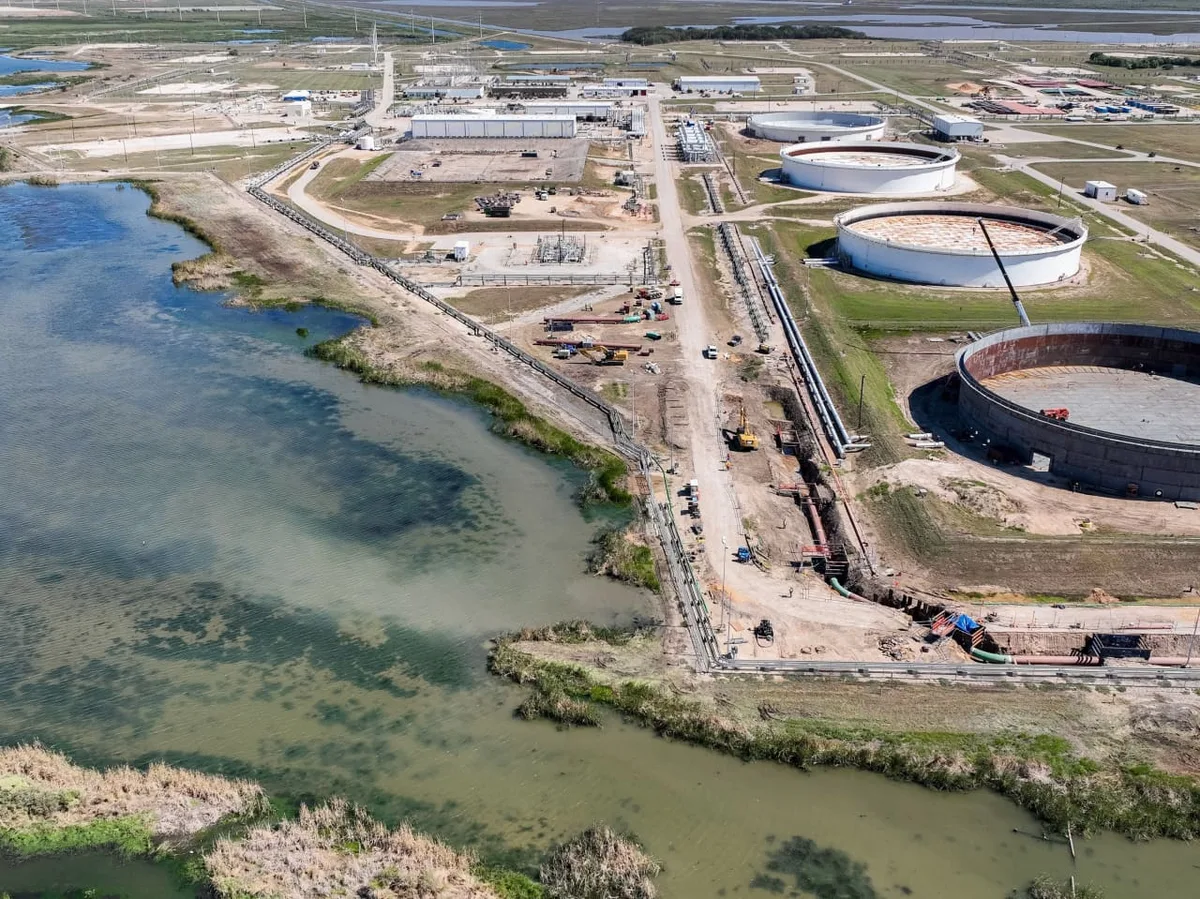
If you've been following energy news lately, here's a number that might raise an eyebrow: the U.S. Strategic Petroleum Reserve has dropped to a 40-year low. That sounds alarming on the surface, but the government wants you to pump the brakes before you panic-buy a generator.
The Energy Department says the operational minimum for the massive underground salt caverns that store this oil is around 70 million barrels — meaning that's the floor before things get genuinely dicey. That figure is significantly lower than what the oil industry itself has been estimating as a safe minimum, which means there's a real disagreement brewing between government officials and private-sector experts about how much cushion actually exists.
Read more Morgan Stanley Smashes Revenue Record on 69% Equities Surge →
The Strategic Petroleum Reserve, or SPR for short, is essentially the country's emergency rainy-day fund for oil. Think of it like a savings account — except instead of cash, it's crude oil stashed in giant underground caverns along the Gulf Coast. It's designed to be tapped during supply disruptions, whether from natural disasters, geopolitical conflicts, or sudden price shocks. The Biden administration drew it down heavily in 2022 to combat surging gas prices following Russia's invasion of Ukraine, which is a big reason the stockpile sits where it does today.
The gap between what Washington considers "enough" and what the oil industry considers "enough" is the crux of this story. If the government's 70-million-barrel floor is accurate, there's still meaningful room before any emergency threshold is crossed. But if industry analysts are right that the safe minimum is considerably higher, the breathing room shrinks fast — and that has real implications for how vulnerable the U.S. would be to the next major energy disruption.
For everyday consumers, this isn't a reason to rush out and hoard gasoline, but it is worth watching — especially with global energy markets staying unpredictable. Continue reading at MarketWatch.com