US Strikes Iran Amid Ceasefire Talks Over Strait of Hormuz
The US launched strikes against Iran even as both nations were supposed to be in a 60-day no-hostilities window during ongoing nuclear talks.
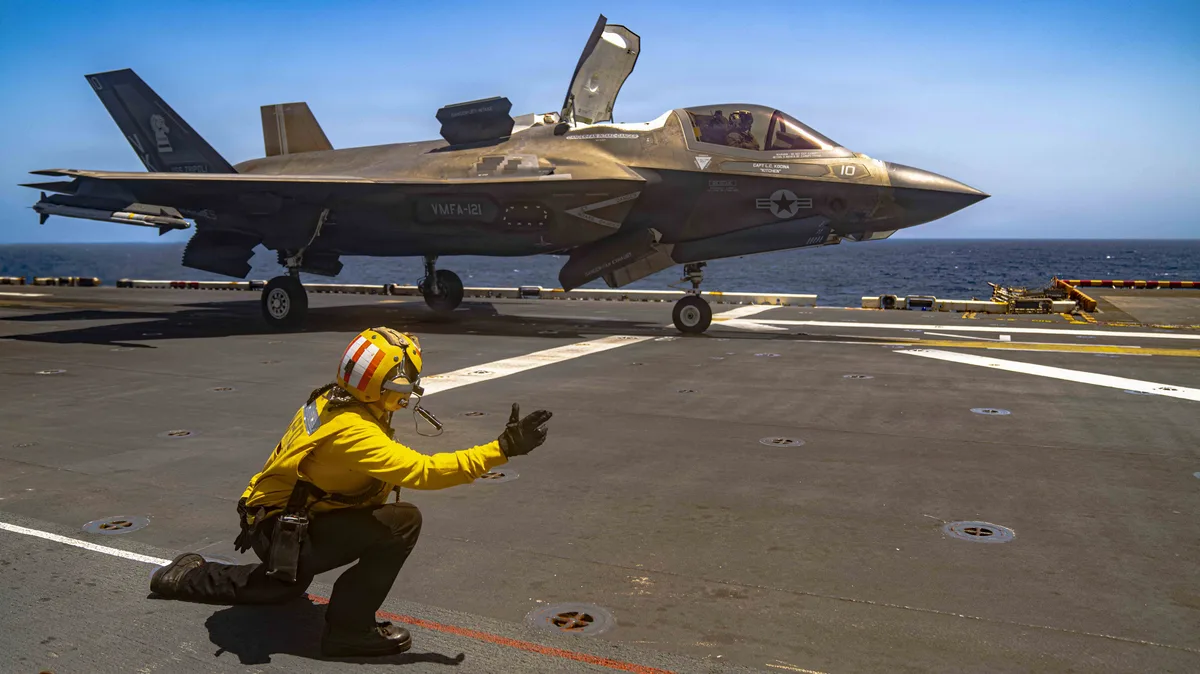
Things just got a lot more complicated in the already tense relationship between Washington and Tehran. The United States carried out military strikes against Iran after President Trump accused the country of violating a ceasefire agreement tied to the Strait of Hormuz — one of the world's most critical waterways for oil shipments.
Here's the awkward part: both countries were technically supposed to be in the middle of a 60-day no-hostilities period while diplomats worked to hammer out a deal to end their ongoing conflict. Striking during what's supposed to be a diplomatic pause is, to put it mildly, a significant escalation — and it raises serious questions about whether those talks can survive the fallout.
Read more John Bolton Pleads Guilty to Retaining Defense Information →
The Strait of Hormuz is worth knowing about if you're not already familiar. About 20% of the world's oil passes through that narrow stretch of water between Iran and Oman, which means any military activity in the region has the potential to send energy markets into a tailspin. When superpowers square off near a chokepoint like that, your gas prices tend to pay attention.
Trump's accusation that Iran violated the ceasefire terms was the stated trigger for the strikes, though the specifics of what that alleged violation entailed weren't detailed in initial reports. The timing puts both governments in a difficult position — continuing negotiations after a military exchange is a hard sell politically on either side, yet fully walking away from talks carries its own enormous risks.
How this plays out in the coming days will be worth watching closely, both for geopolitical stability and for anyone keeping an eye on oil prices or global markets. Continue reading at US Top News and Analysis.