VCIT vs IEI: Which Intermediate Bond ETF Fits Your Portfolio?
Vanguard's VCIT and iShares' IEI both target intermediate-term bonds, but their risk and return profiles differ significantly.
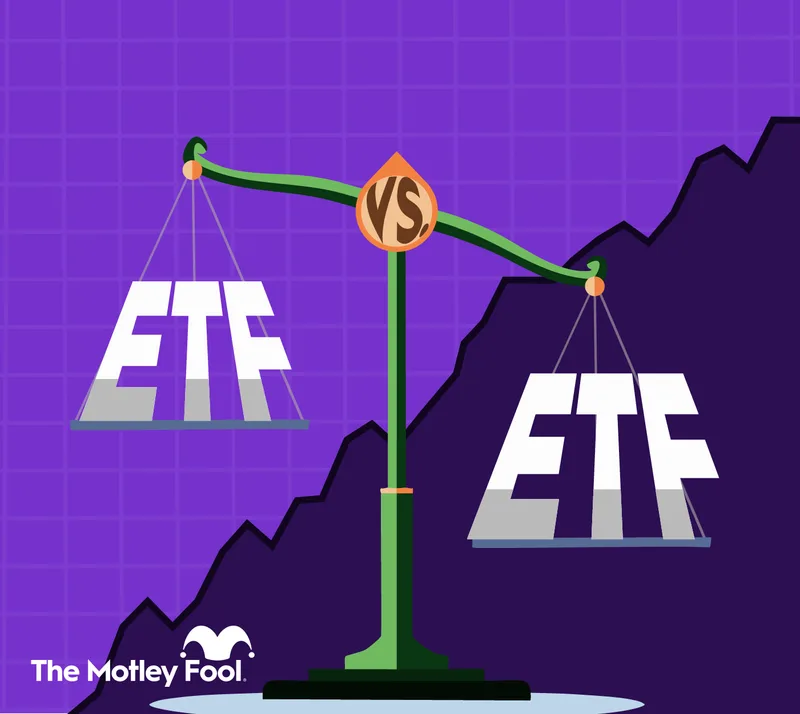
If you've been poking around the bond ETF world looking for something in the middle — not too short, not too long — you've probably stumbled across two popular options: Vanguard's VCIT and iShares' IEI. Both sit in the intermediate-term space, but they're built very differently under the hood, and that matters for your money.
VCIT, Vanguard's offering, focuses on investment-grade corporate bonds. That means you're lending money to companies rather than the U.S. government, which typically translates to higher yields — but also a bit more credit risk. If the economy hits a rough patch and corporate borrowers struggle, corporate bonds tend to take a harder hit than Treasuries. Still, for investors comfortable with that trade-off, the extra income can be appealing.
Read more Still Working at 71 With $108K Income: Is It Worth It? →
IEI, on the other hand, is iShares' Treasury-focused intermediate-term ETF. Since it holds U.S. government debt, it carries essentially zero credit risk — Uncle Sam isn't defaulting anytime soon. The flip side? You generally get lower yields than you'd find in corporate bond territory. IEI tends to shine during market turbulence, acting more like a safe-haven anchor in a diversified portfolio.
The choice between the two really comes down to what you're optimizing for. If income generation is your priority and you can stomach some corporate credit exposure, VCIT may be your pick. If capital preservation and stability in volatile markets matter more to you, IEI's Treasury focus offers a smoother — if less lucrative — ride. Many investors actually hold both as complementary pieces of a broader fixed-income strategy.
At the end of the day, neither ETF is universally "better" — they just serve different purposes. Matching the right tool to your goals, time horizon, and risk tolerance is what separates a thoughtful bond allocation from one that just looks good on paper. Continue reading at Yahoo Finance.