Why Another Iran Conflict Could Be Closer Than Expected
Tensions with Iran are rising fast. Here's what analysts are watching and why the timeline may be shorter than most people realize.

If you've been half-paying attention to the Middle East lately, you might want to bump that up to full attention. Reuters is raising a flag that the next major conflict involving Iran could arrive sooner than the world is prepared for — and that's not a headline anyone should scroll past too quickly.
The piece doesn't bury the lead: geopolitical pressure on Iran has been building from multiple directions at once. Whether it's the state of nuclear negotiations, regional proxy battles, or the posture of key players in Washington and Tel Aviv, the convergence of stressors is making a flashpoint feel less like a distant hypothetical and more like a live question of timing.
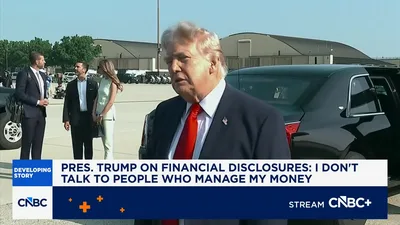
Read more Trump Says He Stays Hands-Off With His Own Money Managers →
For everyday Americans, that matters beyond the foreign-policy page. Energy markets are famously sensitive to Middle East instability — oil prices can spike hard and fast when the Strait of Hormuz, through which a huge chunk of global crude flows, becomes a talking point in security briefings. Your gas prices and broader inflation picture have a direct line to what happens in that region, whether or not you follow international news.
Analysts have long operated on the assumption that diplomacy, however strained, keeps the lid on outright confrontation. Reuters is essentially asking whether that assumption still holds. The piece frames the situation as one where the usual guardrails — back-channel talks, deterrence calculus, international intermediaries — may be under more stress than they appear from the outside.
The bottom line: this isn't fearmongering for clicks. When a wire service with Reuters' track record plants a flag like this, it's worth understanding the context and watching how events develop in the weeks ahead. Continue reading at Reuters.