Why Building Wealth Is Harder for Young Americans Today
Gen Z and young millennials face an economy where traditional wealth-building paths are increasingly out of reach. Here's what shifted.
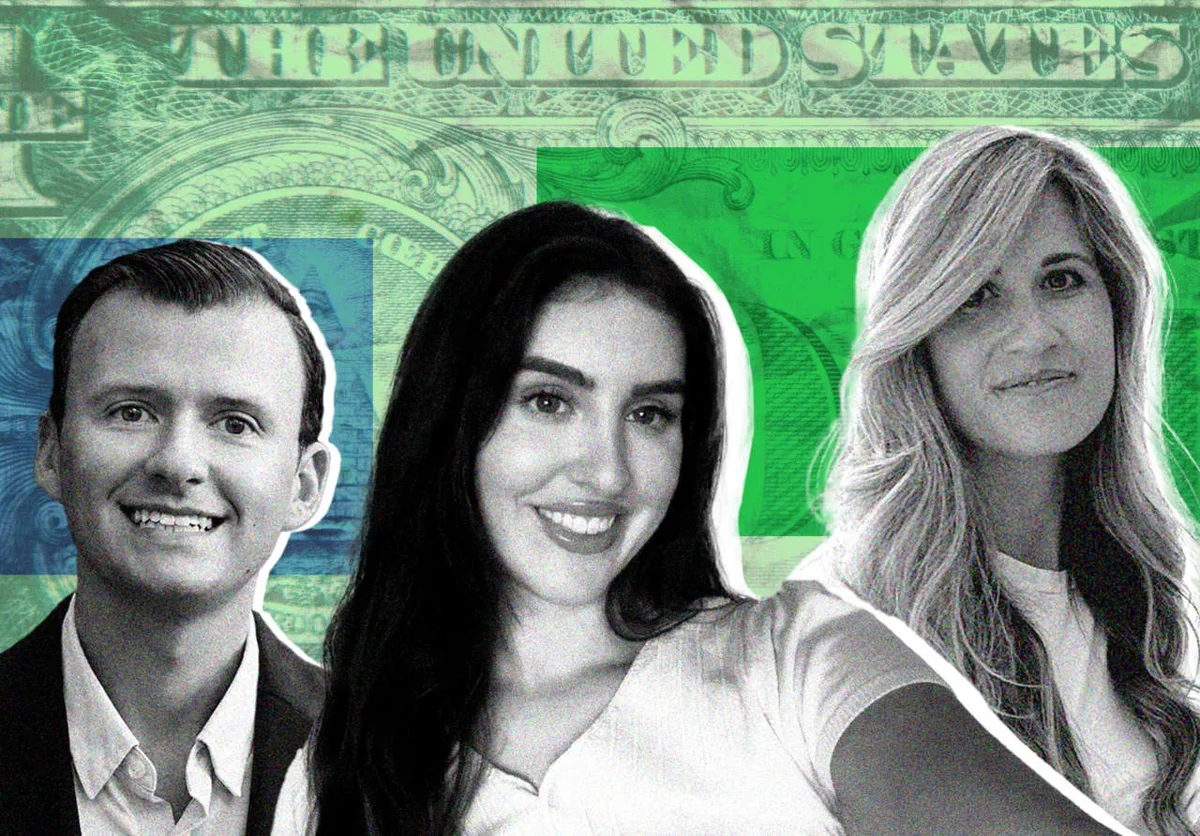
If you're in your 20s or early 30s and feel like the financial playbook your parents used just doesn't work anymore, you're not imagining it. Generation Z and young millennials are running into a fundamentally different economic landscape than the one that allowed previous generations to accumulate wealth through fairly predictable steps — steady job, starter home, retirement savings, repeat.
The traditional routes to financial security have grown steeper, more expensive, or just plain harder to access. Think about homeownership: for decades it was the cornerstone of middle-class wealth-building in America, a reliable way to build equity while you sleep. But sky-high home prices and elevated mortgage rates have pushed that first purchase further out of reach for millions of younger buyers who are still renting well into adulthood.
Read more How to Pick a Health Insurance Plan During Open Enrollment →
It's not just housing, either. The broader economic shifts — from the nature of work itself to the rising cost of education and everyday expenses — have compounded the challenge. Many young Americans are entering the workforce carrying student debt, competing in a labor market that increasingly favors gig arrangements over the kind of stable, benefits-rich jobs that helped older generations build a financial cushion over time.
What makes this particularly tricky is that the old advice — save diligently, invest in your 401(k), buy a home — isn't wrong exactly, it's just that the on-ramps to those strategies have gotten a lot more congested. The wealth gap between younger and older Americans has widened, and economic mobility, once a defining feature of the American experience, has become harder to count on.
Understanding why these shifts happened is the first step toward figuring out what strategies might actually work in today's environment. Continue reading at MarketWatch.com