Why Downsizing in Retirement Makes Sense Even Debt-Free
Owning your home outright sounds like the dream, but there are still solid reasons to trade down in retirement.
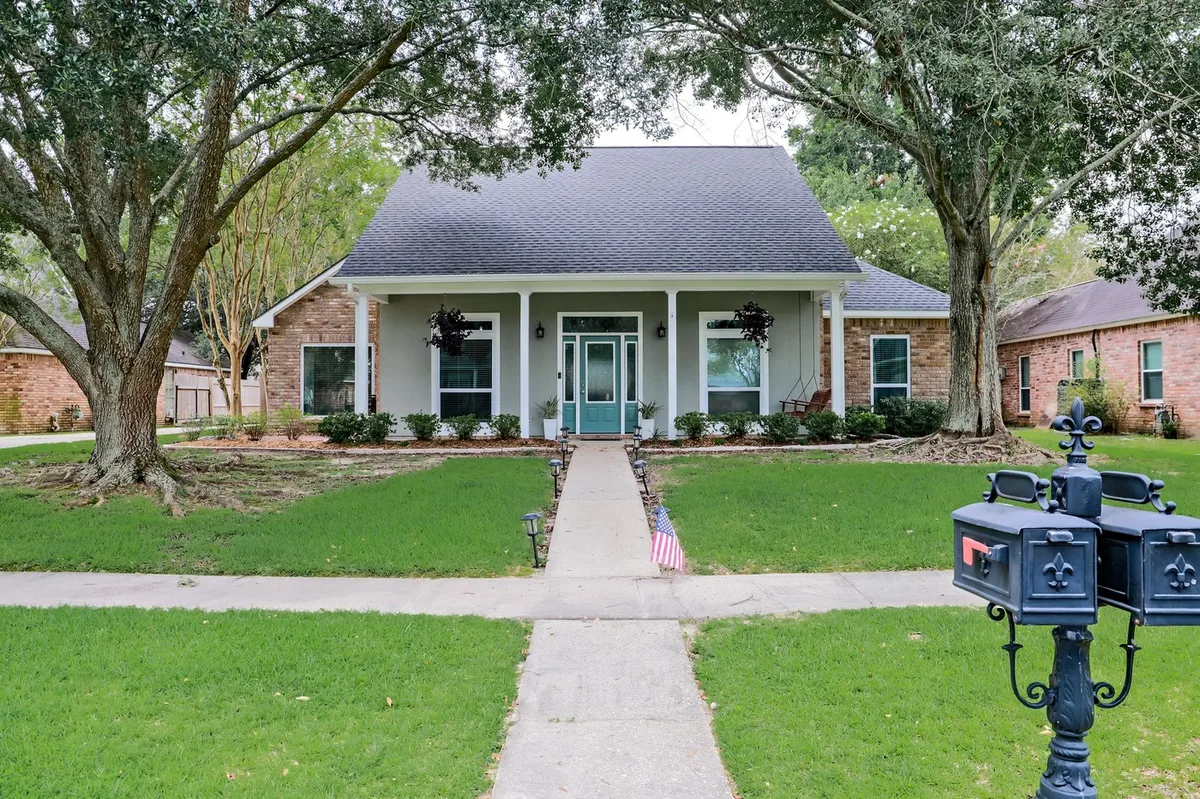
You'd think that having a fully paid-off home would settle the housing question for good in retirement. No mortgage, no landlord, no problem — right? Not exactly. Plenty of retirees with zero housing debt are still choosing to downsize, and honestly, their reasons make a lot of financial sense once you dig into them.
First, a big house costs big money to maintain even when the bank is out of the picture. Property taxes, homeowner's insurance, utilities, and ongoing repairs don't care that you're mortgage-free. For retirees living on a fixed income, those recurring costs can quietly chip away at savings faster than expected. Trimming square footage often means trimming those monthly bills significantly.
Read more Still Working at 71 With $108K Income: Is It Worth It? →
Second, a smaller home can unlock serious cash. When you sell a larger property and buy something more modest, you pocket the difference — and in many markets, that gap can be substantial. That lump sum can be invested, parked in a high-yield account, or used to pad your retirement cushion so you're not sweating every market dip. It's basically converting a non-liquid asset into spendable, flexible wealth.
Third, there's a lifestyle angle that's easy to underestimate. Maintaining a big home takes time and physical energy, two things that become more precious as you age. Downsizing often means less cleaning, less yard work, and fewer weekend trips to the hardware store. Many retirees find that a smaller, more manageable space actually improves their quality of life — and frees them up to spend time on things they actually enjoy.
The takeaway here isn't that everyone should sell the family home the moment they retire. But if you're holding onto a large property mostly out of habit or sentimental attachment, it's worth running the numbers. You might find that downsizing is one of the smartest financial moves you can make in your later years. Continue reading at Yahoo Finance.