Why One Investor Is Ditching Tech for 'Boring' Stocks Now
As tech and chip stocks pull back, Smart Investor's David Kuo explains why steady, unglamorous stocks may be the smarter play right now.
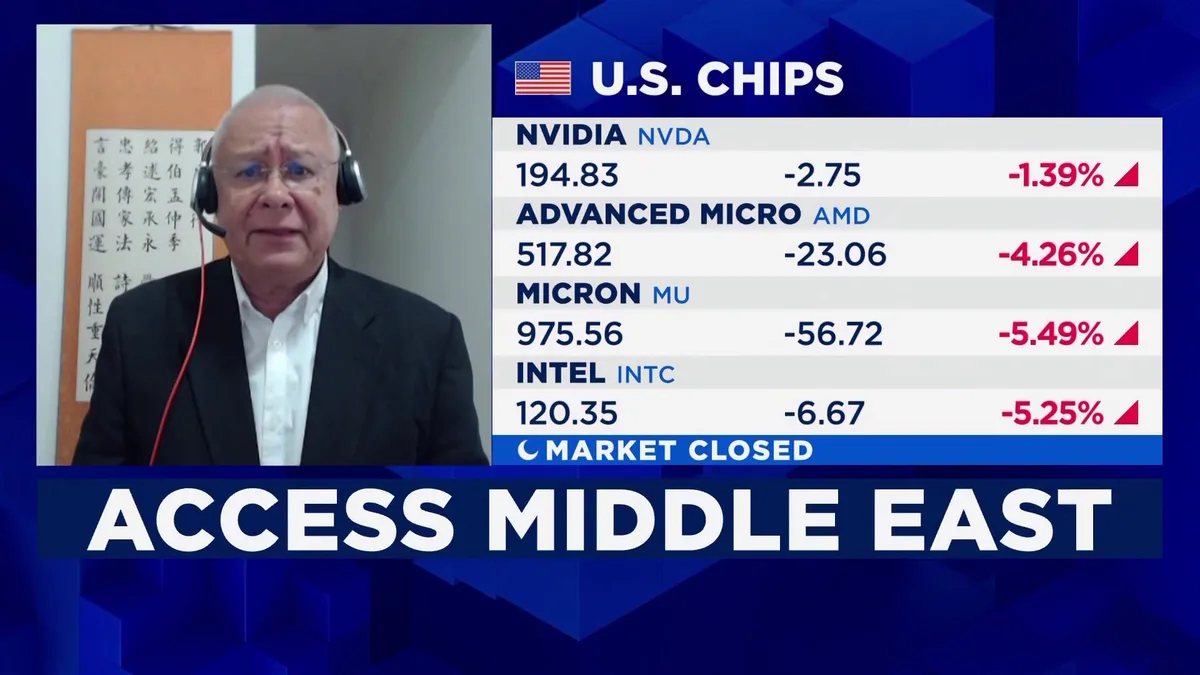
If you've been refreshing your brokerage app and watching your tech holdings slowly slide, you're not alone — and David Kuo, co-founder of The Smart Investor, thinks this moment might actually be a wake-up call worth heeding. With the recent pullback hitting tech and chip stocks particularly hard, Kuo is making a case that the flashy names dominating headlines over the past couple of years may not be where the smart money heads next.
So what's Kuo's alternative? Think less rocket ship, more reliable sedan. 'Boring' stocks — the kind that don't generate Twitter buzz or Reddit threads — are suddenly looking a lot more attractive to investors who've been burned by volatility. These are typically companies with steady earnings, predictable dividends, and business models that don't depend on hype cycles to stay afloat. Not exactly cocktail-party conversation starters, but potentially a lot kinder to your portfolio.
Read more Absa Group (AGRPY) Short Interest: What Investors Should Know →
The broader backdrop here matters too. Kuo weighed in on whether markets can realistically claw their way back to pre-Iran war levels, a question that's sitting at the front of a lot of investors' minds right now. Geopolitical uncertainty has a way of reshuffling priorities fast, and what looked like a sure-thing rally can stall out quickly when global tensions flare up. That kind of environment tends to make the case for stability over speculation.
For everyday investors trying to figure out what to do with their money during a tech cooldown, Kuo's thinking offers a useful gut-check: chasing last year's winners isn't always the best strategy, especially when the macro picture is murkier than usual. Rotating toward steadier sectors might feel boring, but boring can be surprisingly profitable when the high-flyers are taking a breather.
Continue reading at CNBC.