Why the U.S. Debt Load Could Doom Any Fed Chair's 2% Inflation Goal
Hitting 2% inflation sounds great on paper, but America's ballooning debt may make that target nearly impossible to hold.
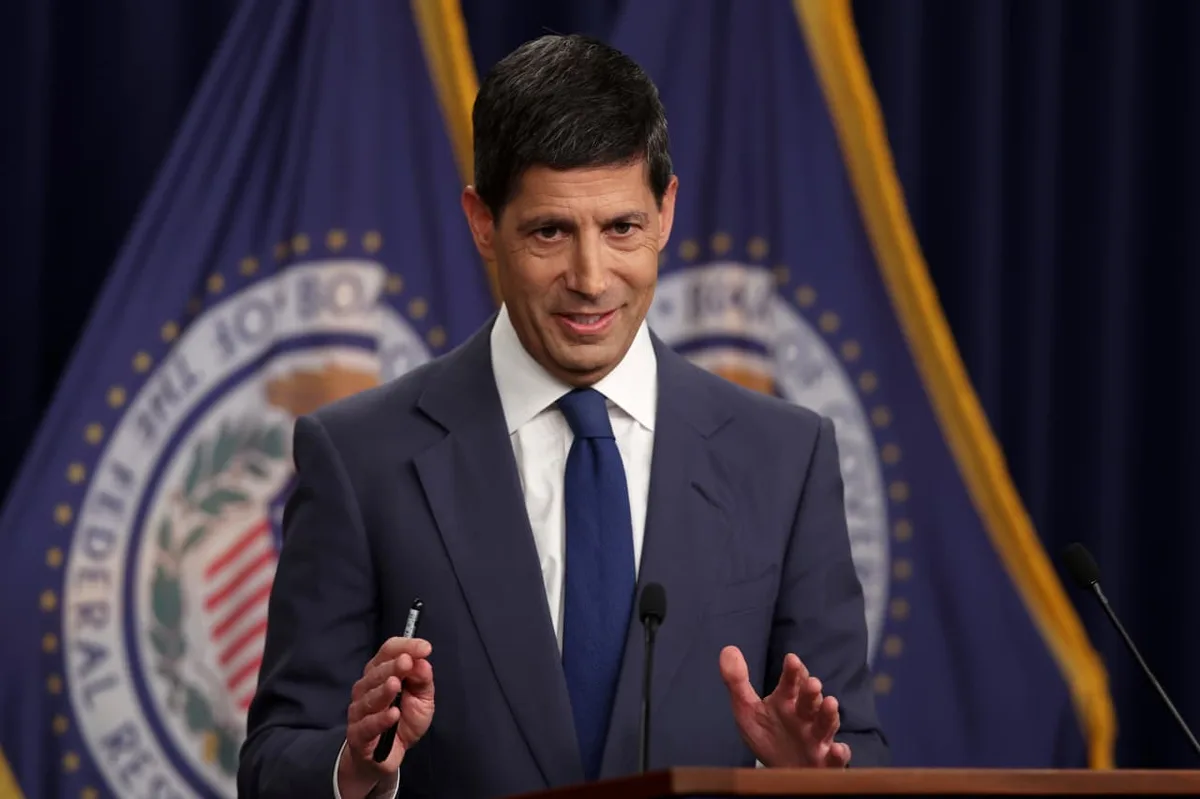
If you've been following the chatter around a potential Fed Chair Kevin Warsh era, you've probably heard the promise of getting inflation back to 2% and keeping it there. Sounds reassuring, right? The problem is that the U.S. government's debt situation may be working directly against that goal — and no amount of Fed willpower can fully override it.
Here's the basic tension: when a country is drowning in debt, a little inflation is actually its best friend. Higher prices erode the real value of what's owed, effectively giving the government a quiet discount on its obligations over time. That's not a conspiracy theory — it's just how debt math works. So when the government needs inflation to stay elevated to manage its fiscal mess, a Fed chair promising to crush it is essentially fighting the U.S. Treasury's silent interests.
Read more Fed Dissenters Push for Rate Hikes to Fight Inflation Now →
That structural conflict matters a lot more than it used to. The U.S. debt load has skyrocketed in recent years, and the interest payments alone are consuming an ever-larger slice of the federal budget. Economic growth alone — the traditional escape hatch from debt trouble — may not be enough this time around. The math increasingly points to inflation doing some of the heavy lifting, whether policymakers admit it or not.
For everyday people, this tension plays out in your wallet. If the Fed can't realistically hold inflation at 2% because the fiscal pressure keeps pushing it higher, your purchasing power stays under pressure longer than the official messaging suggests. Planning around a swift return to price stability could leave you caught off guard.
The bottom line: promises about 2% inflation are easy to make on the campaign trail for a Fed nomination, but the structural reality of U.S. debt makes them genuinely hard to keep. Continue reading at MarketWatch.com