Why You and Your Friend May Pay Different Prices for the Same Item
Retailers and apps increasingly charge different customers different prices. Here's why your bill might not match your friend's.
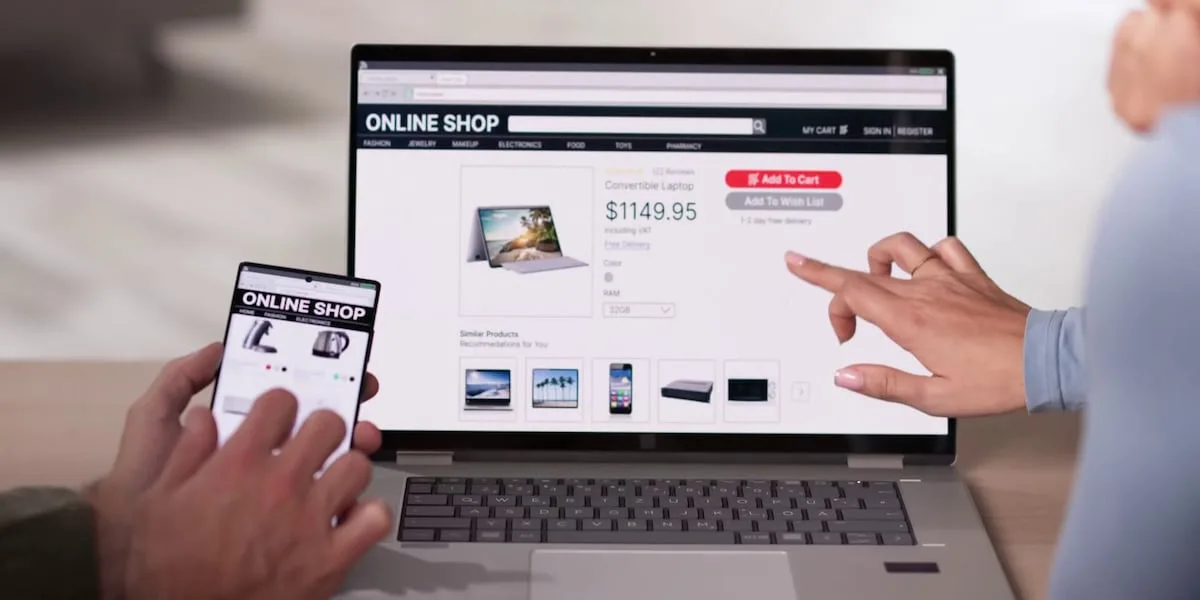
Ever split a dinner bill only to realize your friend got the same streaming service for five bucks less a month? You're not imagining things — and you're definitely not alone. Price discrimination, the practice of charging different customers different amounts for identical goods or services, is quietly becoming more common across retail, travel, and tech platforms.
Companies use a mix of tools to make this happen. Your location, browsing history, loyalty status, and even the device you're shopping on can all influence what price you see at checkout. Algorithms do the heavy lifting, crunching data points in real time to figure out exactly how much you're likely to pay before you balk and close the tab.
Read more How to Pick a Health Insurance Plan During Open Enrollment →
From a business standpoint, the logic is pretty simple: why charge everyone the same flat rate when you can squeeze a bit more from shoppers who seem willing to pay it, while still landing budget-conscious buyers with a lower number? It's the same reason airlines show you different fares depending on when — and from where — you search for flights.
As a consumer, the frustrating part is that this largely happens without your knowledge. You might think you scored a fair deal, not realizing your neighbor paid less for the exact same thing. Experts suggest strategies like clearing cookies, using a VPN, or shopping in private/incognito browser mode to potentially level the playing field, though results can vary.
The broader trend raises real questions about fairness and transparency in digital commerce. As personalized pricing gets more sophisticated, the gap between what different people pay for the same product could widen further — making it more important than ever to shop around before hitting "buy." Continue reading at wbay.