World Cup Ads: Non-Sponsors Are Stealing the Show
Brands without official World Cup deals may be outperforming sponsors in audience impact, hinting at a shift toward authentic advertising.
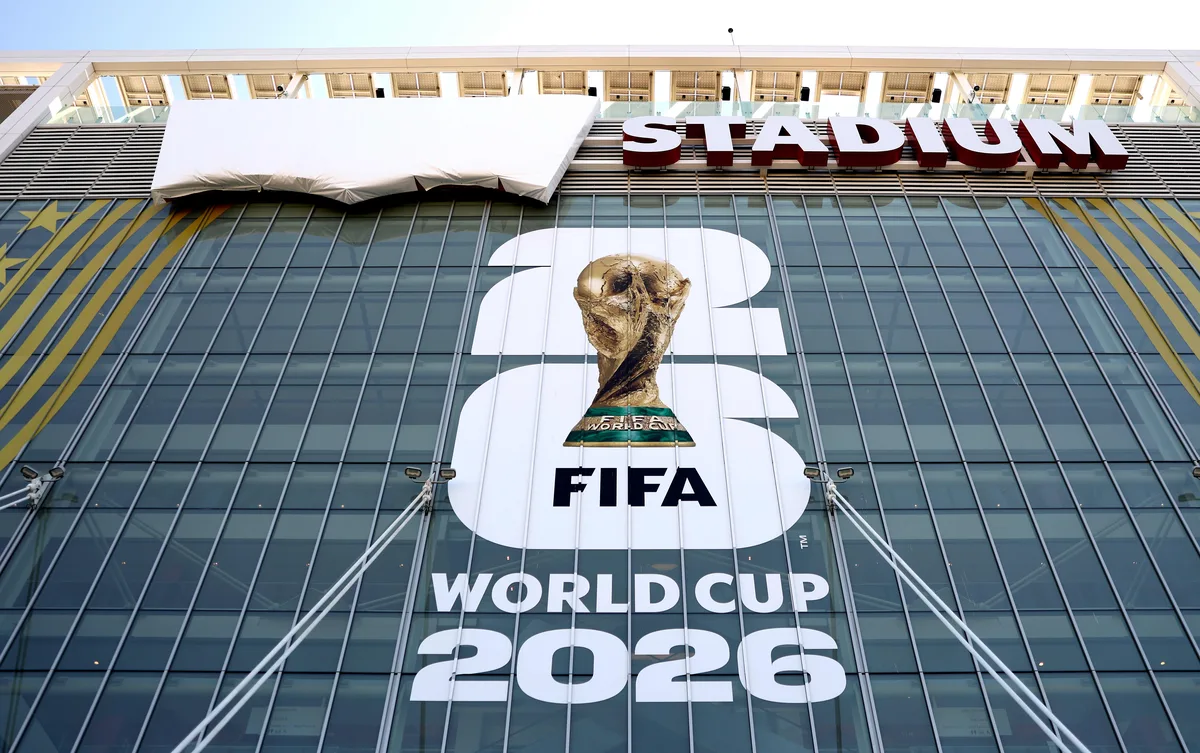
If you think paying hundreds of millions to slap your logo on the World Cup guarantees you'll win the advertising game, think again. According to US Top News and Analysis, some of the biggest winners in World Cup advertising aren't official sponsors at all — and that says a lot about where marketing is headed.
The pattern points to something advertisers have been wrestling with for years: consumers are increasingly tuning out polished, corporate-feeling campaigns in favor of messaging that feels real. Official sponsorships come with strict branding guidelines and a certain sanitized quality that can make ads feel, well, like ads. Non-sponsors, meanwhile, have the freedom to be a little scrappier and a lot more human.
Read more China's Zhipu AI Closes Gap With OpenAI and Anthropic on Cost →
This is what marketers call "authentic branding" — and it's not just a buzzword. When a brand connects with a cultural moment in a way that feels genuine rather than transactional, audiences notice. You don't necessarily need a seat at the official table if you can pull up a chair in the conversation happening around it.
For smaller brands especially, this is an encouraging signal. Mega-sponsorship deals are typically reserved for companies with enormous marketing budgets. But creative, culturally aware campaigns that tap into the energy of a global event can punch well above their weight class — without the nine-figure price tag that comes with an official partnership.
The broader takeaway here is that authenticity may be quietly reshaping the return-on-investment calculus for event-based advertising. As audiences grow savvier about spotting brand opportunism, the companies that win might be the ones that focus less on buying visibility and more on earning it. Continue reading at US Top News and Analysis.